Best Indoor Plants for Beginners
The most forgiving houseplants you can grow — what to choose for your light and lifestyle, a full care profile for each, how to water and feed them, how to make more for free, which are safe around pets, and how to fix the things that go wrong.
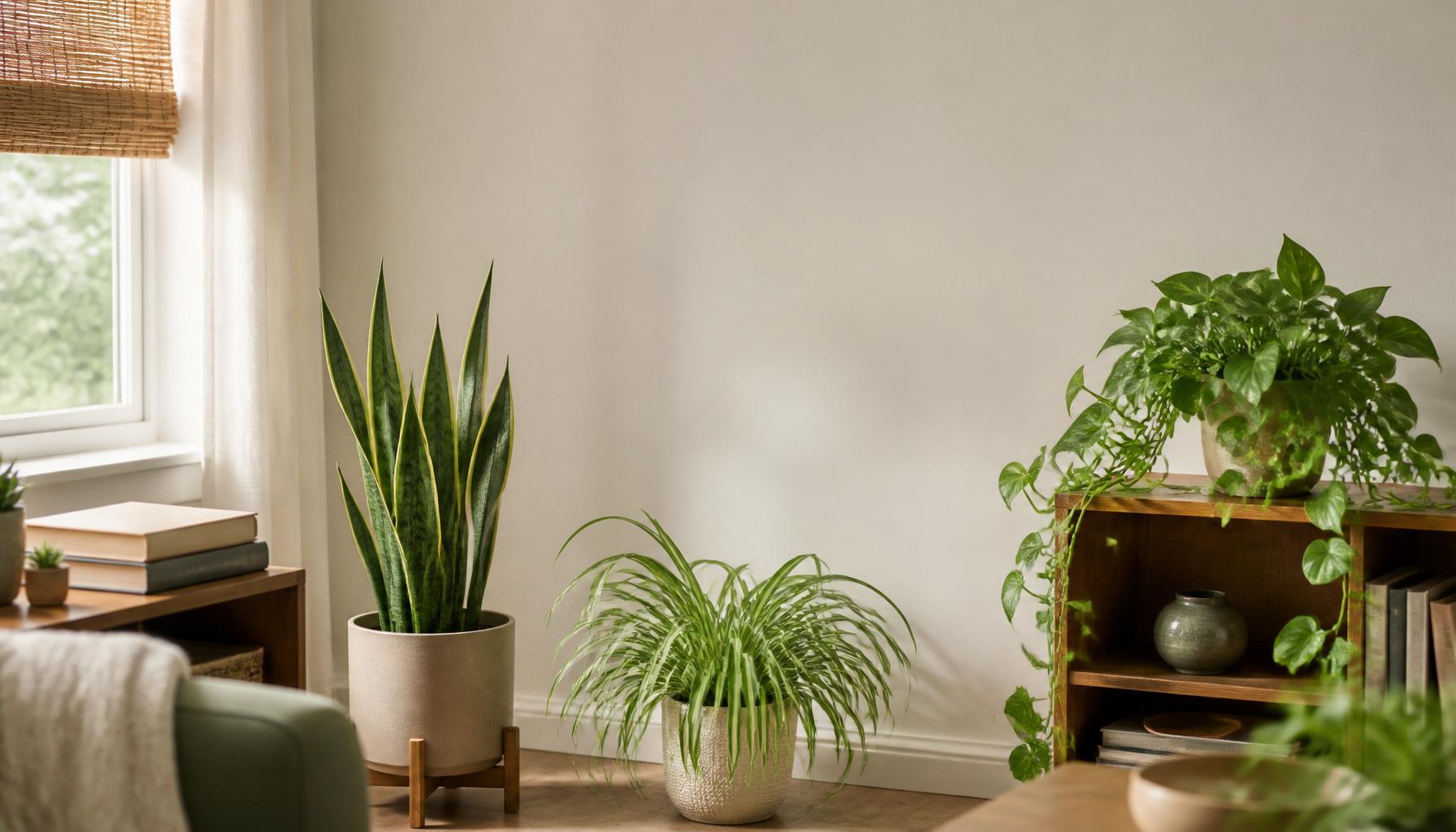
Why some houseplants are nearly impossible to kill
The houseplants people kill are usually the fussy ones — the divas that demand exact light, constant humidity and never to dry out or sit wet. The plants in this guide are the opposite, and it's no accident. They're tough because of where they evolved: most store water in thick leaves, roots or underground rhizomes, and many grew up on shady tropical forest floors where dim light is simply normal. Drought-tolerant and shade-tolerant — that combination is what makes a plant forgive a beginner's mistakes.
So this isn't a list of the most fashionable houseplants. It's a list of the ones that survive real life: a north-facing flat, a fortnight away, a watering can you keep forgetting to pick up. Get a few of these growing well and you'll build the single most important skill in houseplant care — reading when a plant actually needs something — and then you can take on the fussier, showier things with confidence.
How to choose the right plant for your space
Before you buy anything, answer three quick questions. They matter far more than which plant looks nicest in the shop.
How much light does the spot get? Be honest about it. A bright spot is right by a window that gets lots of daylight. A medium spot is a few feet back, or a room that's light but not sunny. A low spot is a north-facing room or anywhere well away from a window. Every plant here tolerates medium or low light — but matching the plant to the spot is the difference between thriving and merely surviving.
Do you have pets or small children? Several lovely houseplants are mildly toxic if chewed. It's rarely dangerous, but if you'd rather not worry, stick to the non-toxic picks flagged below.
How often are you actually around? If you travel, or you know you'll forget, lean towards the true survivors — snake plant, ZZ, cast iron plant — that would honestly rather be left alone. If you'll enjoy fussing, a peace lily or pothos will reward the attention and tell you clearly what it needs.
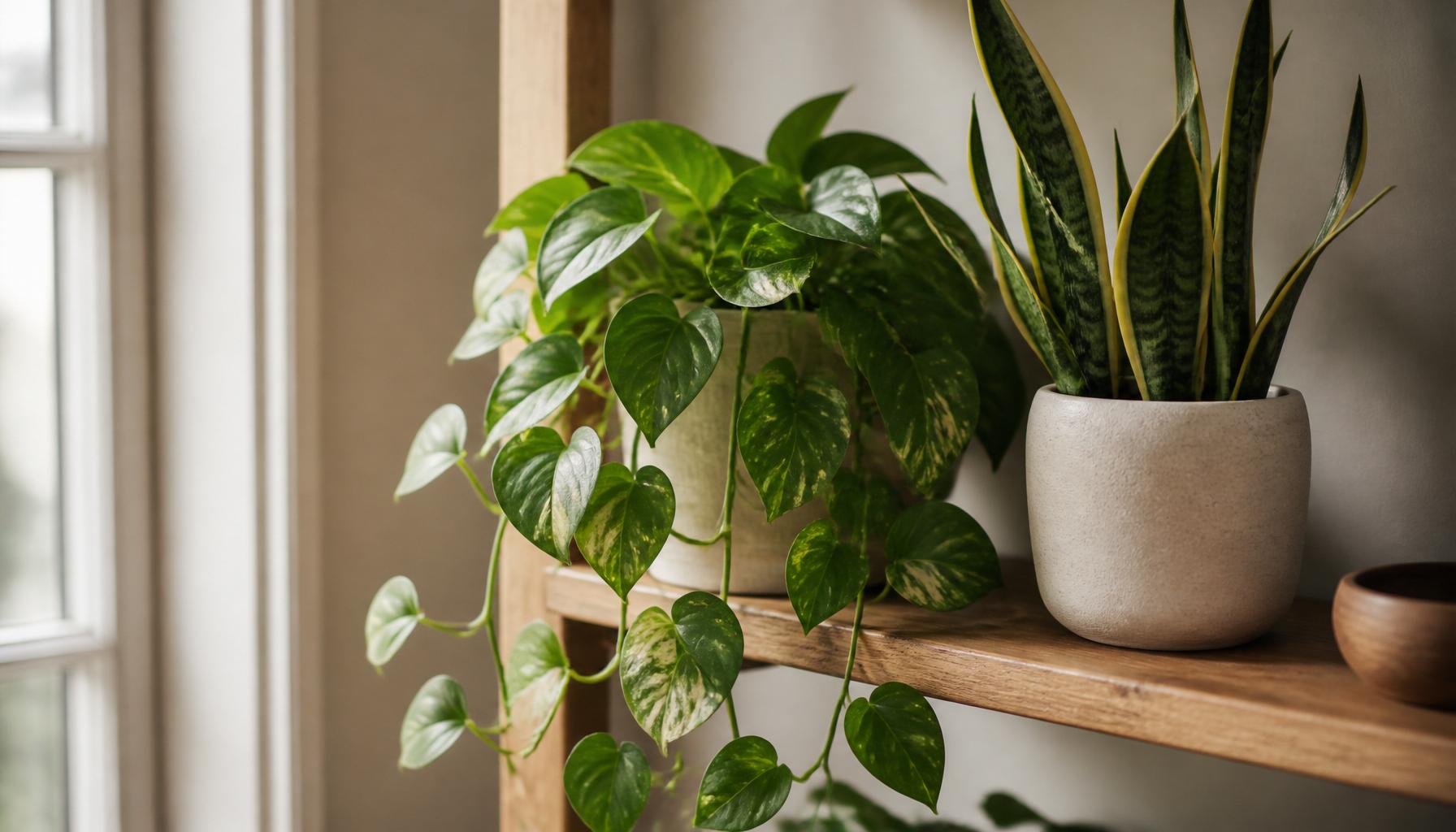
The plants at a glance
Light shows what each tolerates, not just prefers — all cope with less. "Pet-safe" means non-toxic to cats and dogs; the rest can cause mouth irritation or a stomach upset if chewed.
| Plant | Light it tolerates | Water | Pet-safe | Best for |
|---|---|---|---|---|
| Snake plant | Low to bright | When fully dry | ✗ | The forgetful; the darkest rooms |
| ZZ plant | Low to medium | When fully dry | ✗ | Low light and long absences |
| Pothos | Low to bright indirect | When top half dry | ✗ | Learning to read thirst; shelves |
| Heartleaf philodendron | Low to bright indirect | When top half dry | ✗ | Trailing greenery, low effort |
| Spider plant | Medium to bright indirect | When top half dry | ✓ | Pet homes; free baby plants |
| Cast iron plant | Deep shade to medium | When top half dry | ✓ | Dark hallways; total neglect |
| Parlour palm | Low to medium | Lightly moist | ✓ | A leafy, palm-like feel in low light |
| Peace lily | Low to medium | When it wilts | ✗ | Flowers; clear thirst signals |
The plants in detail
Snake plant (Dracaena trifasciata)
The single hardest plant on this list to kill, and the one I'd start anyone with. Stiff, upright, sword-shaped leaves give it an architectural look, and it genuinely thrives on neglect. It copes with anything from a dim corner to a bright sill, and it stores water in its leaves, so it wants watering only when the compost is completely dry — roughly every two to three weeks in summer and far less in winter. The only real way to kill it is to overwater it, which turns the base soft and mushy. Pet-safe: no. Propagation: divide it when repotting, or root a leaf cutting in water.
ZZ plant (Zamioculcas zamiifolia)
Glossy, almost plastic-looking leaflets and a constitution to match. The ZZ stores water in fat underground rhizomes, so it laughs off both low light and being forgotten — it's one of the very few plants that genuinely tolerates a dark room. It's a slow grower, so don't expect drama; just water when the compost is fully dry and otherwise leave it be. Yellowing leaves almost always mean you've watered too much. Pet-safe: no. Propagation: division, or leaf cuttings (very slow).
Pothos (Epipremnum aureum, "Devil's Ivy")
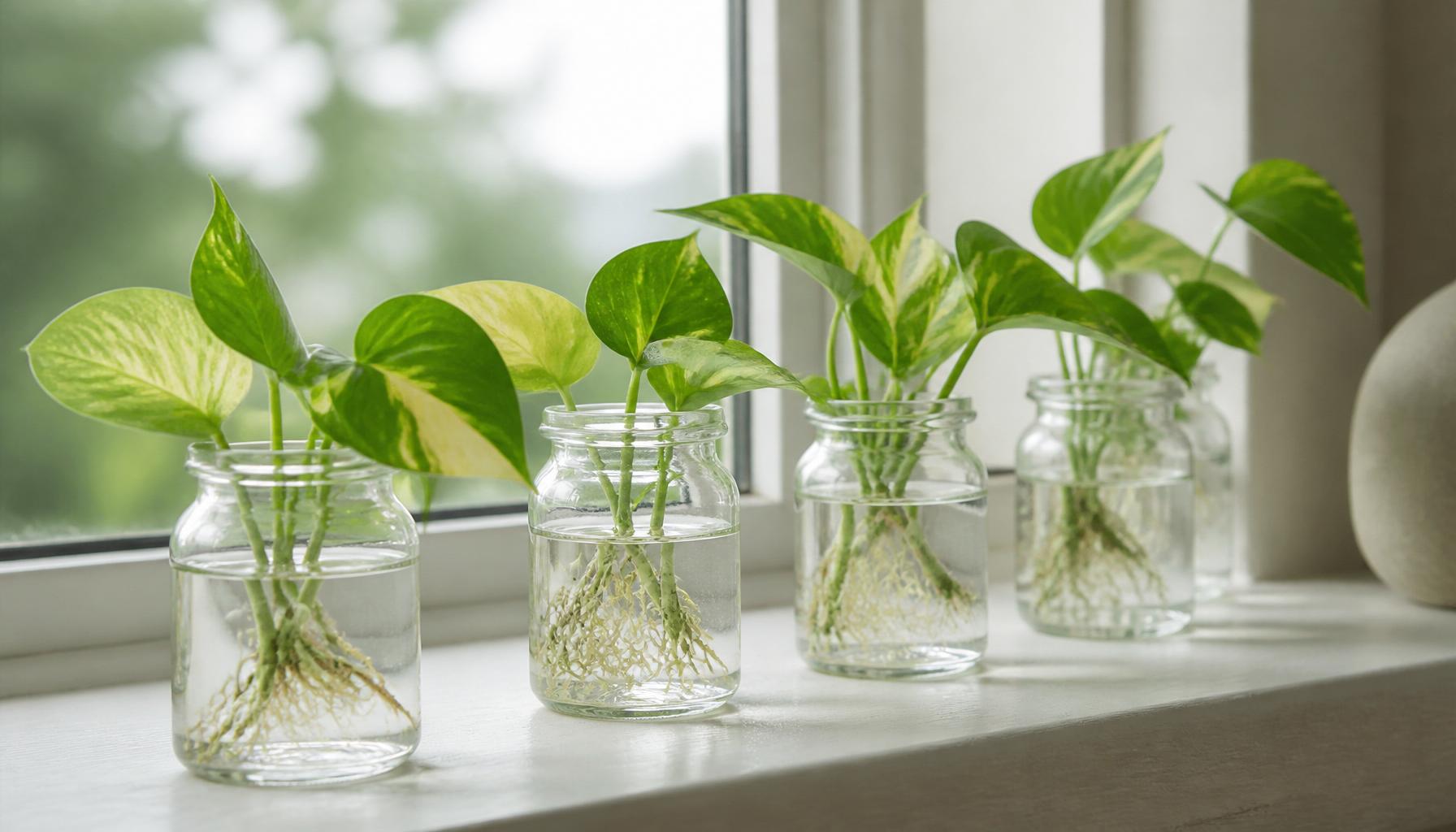
If the snake plant is the toughest, the pothos is the most useful beginner plant, because it teaches you. Its trailing, heart-shaped leaves wilt visibly when it's thirsty and perk back up within hours of a drink, so you learn to read thirst without guessing. It trails beautifully from a shelf or climbs a support, tolerates low light (though it keeps its variegation better in brighter spots), and only wants water when the top half of the compost is dry. Pet-safe: no. Propagation: the easiest of all — snip a stem below a leaf joint and it roots in a glass of water within a couple of weeks.
Heartleaf philodendron (Philodendron hederaceum)
Pothos's softer-leaved cousin, and just as forgiving — arguably even better in low light. Same trailing habit, same easy care, same "water when the top half's dry" routine. If you can't tell it apart from a pothos at a glance, you're not alone; both are brilliant first plants. Pet-safe: no. Propagation: cuttings root readily in water.
Spider plant (Chlorophytum comosum)
The best tough plant for a home with pets, because it's completely non-toxic — and it's generous, throwing out arching runners tipped with baby plants you can pot up for free. It likes medium to bright indirect light and lightly moist compost. Its one quirk is brown leaf tips, usually from dry air or the fluoride and salts in tap water; rainwater and a trim sort it out. Pet-safe: yes. Propagation: the simplest going — pot up the babies, or root them in water first.
Cast iron plant (Aspidistra elatior)
Named for a reason. The Victorians grew it in gas-lit, draughty hallways precisely because almost nothing kills it. Broad, deep-green leaves, deep-shade tolerance, and a thirst so modest you'll water it rarely. The trade-off is that it's very slow, so buy a decent-sized one. Keep it out of direct sun, which scorches the leaves. Pet-safe: yes. Propagation: division.
Parlour palm (Chamaedorea elegans)
For a soft, leafy, palm-like look in a low-light spot — and pet-safe to boot. It likes low to medium light (never direct sun) and compost kept lightly moist, not waterlogged. Dry indoor air can brown the tips, so it appreciates being grouped with other plants or sitting on a pebble tray. Pet-safe: yes. Propagation: tricky from home — easiest to just buy one.
Peace lily (Spathiphyllum)
The one that flowers, with elegant white blooms, and the most expressive plant here: it droops theatrically when thirsty and springs back within hours of watering, which makes it a wonderful teacher. It tolerates low light but flowers best in brighter indirect light, and it likes a touch more moisture than the others. Brown tips usually mean dry air or tap-water salts; sparse flowering usually means too little light. Pet-safe: no. Propagation: division.
A few more worth a look once you've found your feet: the Chinese evergreen (Aglaonema) for colourful, tolerant foliage, the dragon tree (Dracaena marginata) for height, and the rubber plant (Ficus elastica) for big glossy leaves — all fairly forgiving, all mildly toxic to pets.
Keeping them alive: the essentials
Watering — the thing that matters most
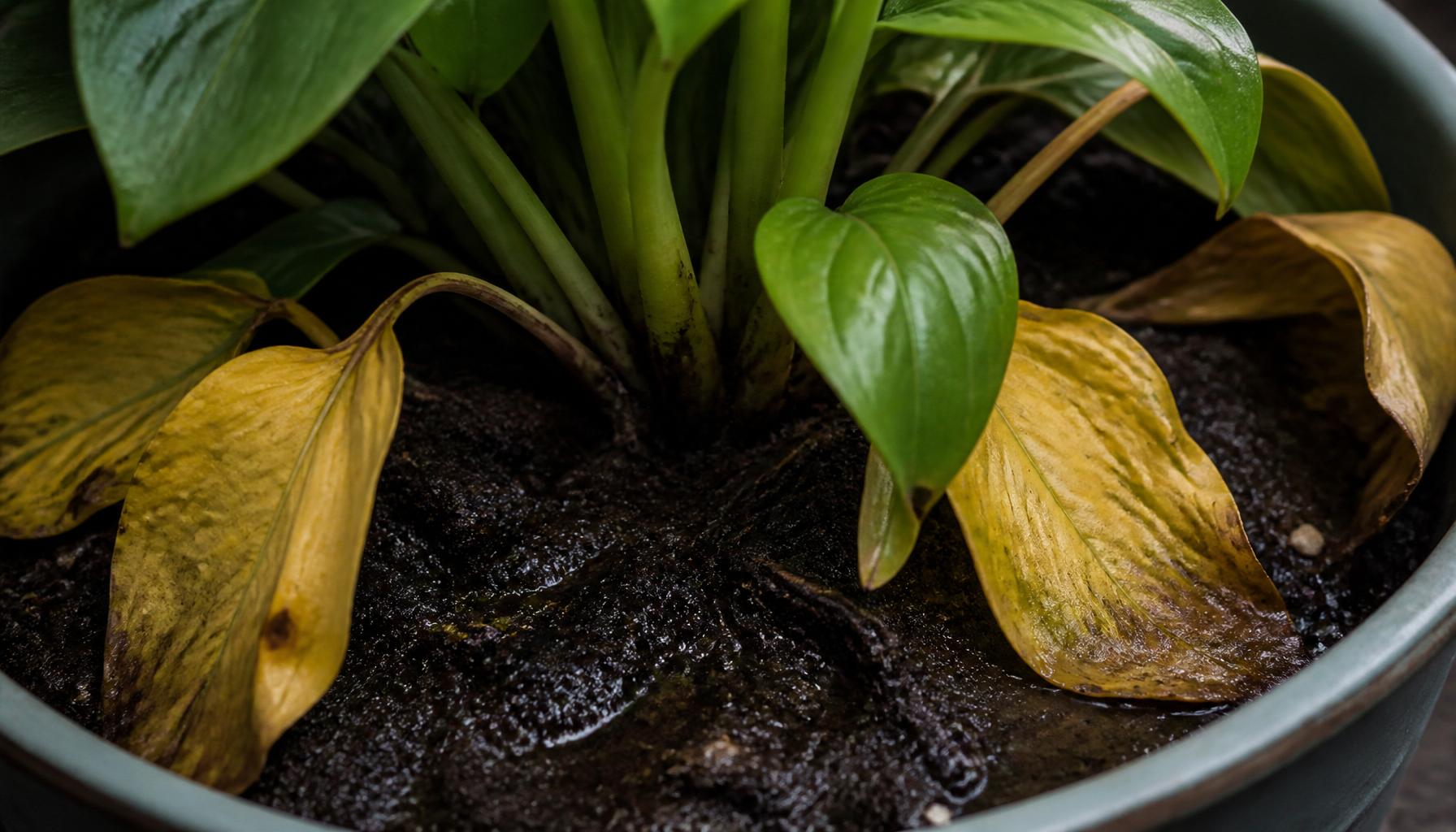
More houseplants die from overwatering than from anything else. Roots need air as well as water, and constantly soggy compost rots them — at which point the plant wilts and yellows and looks, confusingly, exactly like it's thirsty, so people water it more and finish it off. The fix is simple: check before you water. Push a finger into the compost; if it's still damp, wait. Most of the plants here would rather be a little too dry than too wet. And every pot must have drainage holes — never let a plant stand in a saucer or cover pot full of water.
Light — read your room
Match the plant to the spot, then watch how it responds. A plant stretching towards the window with pale, widely spaced new leaves is telling you it wants more light — move it brighter. Bleached, scorched patches mean it's catching harsh direct sun it can't handle — move it back. Most of these plants are happiest in bright indirect light, even though they tolerate less.
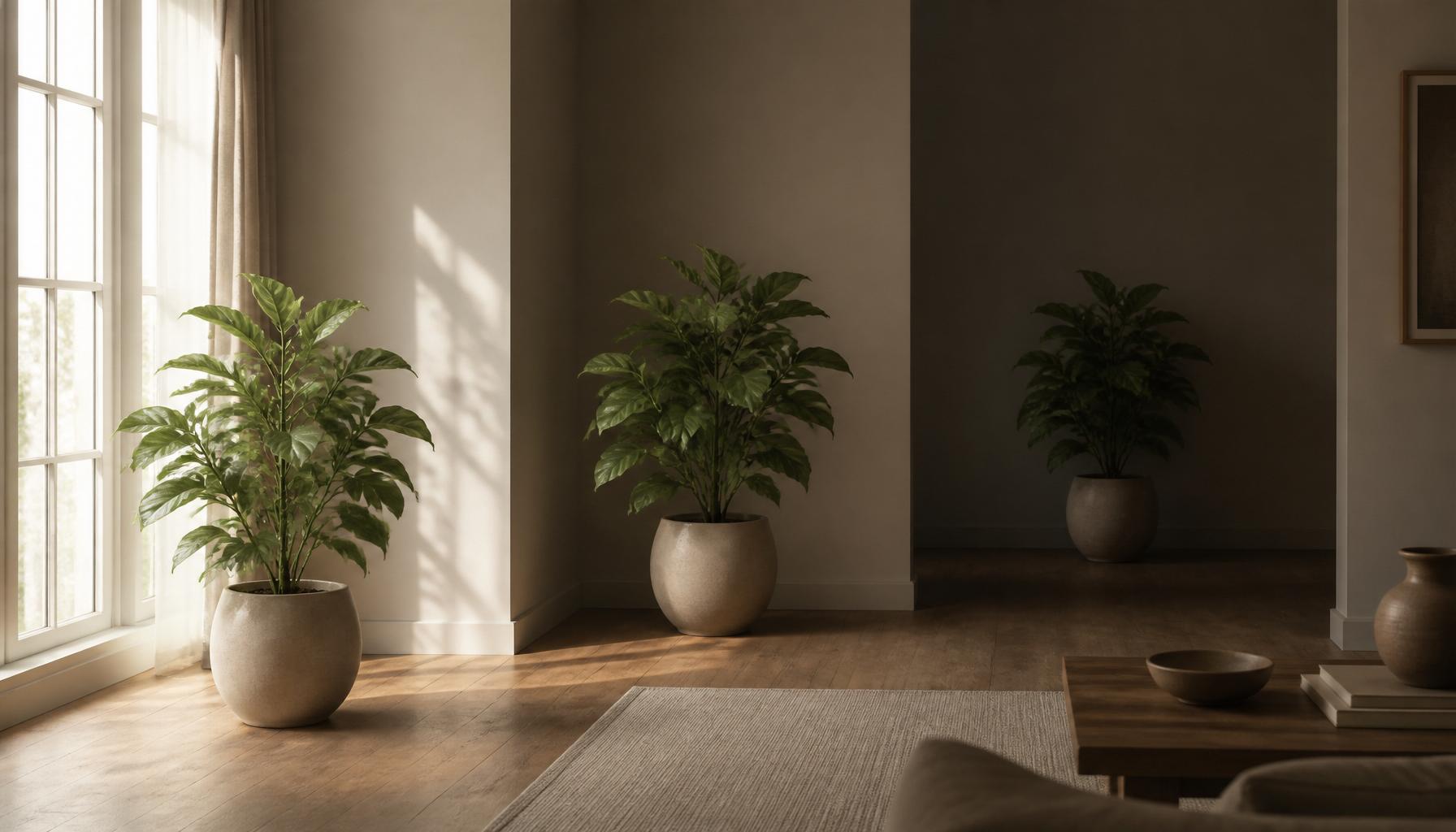
Potting, repotting and compost
Most houseplants come in a plastic nursery pot sitting inside a decorative cover pot. Keep the nursery pot — it provides the drainage — and just lift it out to water, letting it drain before dropping it back in. Repot every year or two in spring, into a pot one size larger, using a peat-free houseplant compost. Don't jump to a huge pot: too much compost holds too much water around small roots and invites rot.
Feeding
Feed only during the growing season, spring through summer, when the plant is actively putting out new leaves. A balanced liquid houseplant feed at half strength every few weeks is plenty. Stop feeding entirely in autumn and winter, when the plants are resting — feeding a dormant plant does nothing useful and can scorch the roots.
Humidity and clean leaves
Dust on leaves blocks light and slows the plant down, so wipe broad-leaved plants with a damp cloth now and then. As for humidity: most of these easy plants don't need misting, and misting does very little anyway. The genuinely dry-air-sensitive ones (the parlour palm, peace lily and spider plant, prone to brown tips) benefit far more from being grouped together or sat on a tray of damp pebbles than from a daily spritz.
Make more for free: propagation
One of the quiet joys of houseplants — and the reason a single plant can become a whole shelf — is how easily many of them root. It's also the cheapest way to grow your collection.
Cuttings in water (pothos, philodendron): snip a stem just below a leaf joint, drop it in a glass of water on a windowsill, and roots appear in a week or two. Pot it up once the roots are a few centimetres long.
Plantlets (spider plant): the babies on the runners can be potted straight into compost (pin them down to root while still attached, then snip), or rooted in water first.
Division (snake plant, ZZ, cast iron, peace lily): when repotting, slide the plant out and separate it into clumps, each with its own roots, then pot up individually.
When something goes wrong: troubleshooting
| Problem | Most likely cause | What to do |
|---|---|---|
| Yellowing leaves | Overwatering | Check the compost; let it dry, water less, ensure it drains |
| Brown, crispy leaf tips | Dry air or tap-water salts | Use rainwater, raise humidity, trim the tips |
| Drooping | Thirst (recovers on watering) or rot (soggy soil) | Check the compost before deciding which |
| Pale, leggy, small leaves | Too little light | Move to a brighter spot |
| Scorched pale patches | Too much direct sun | Move back from the window |
| Tiny flies around the pot | Fungus gnats in wet compost | Let the compost dry out; use sticky traps |
| Fine webbing, speckled leaves | Spider mites (dry air) | Rinse the plant, raise humidity |
| White cottony spots | Mealybugs | Dab with a cotton bud dipped in soapy water |
If you have pets
Plenty of popular houseplants are mildly toxic if a cat or dog chews them — rarely dangerous, but not worth the worry. For a pet household, build your collection from the non-toxic picks: the spider plant, cast iron plant and parlour palm are all genuinely tough and safe. If you're ever unsure about a specific plant, check it before you buy.
If you're in a tropical or warm climate… most of these "houseplants" are tropical natives, so they'll happily spend the warm months outdoors in shade or dappled light — just keep them out of fierce direct sun, which scorches leaves used to the forest floor, and bring the tender ones back in if nights turn cool. In the heat they'll also drink and grow faster, so check them more often.
FAQ
What is the easiest houseplant to keep alive?
The snake plant. It tolerates low light, only needs watering when its compost is completely dry, and genuinely prefers being left alone. ZZ plants and pothos are very close behind.
How often should I water indoor plants?
There's no fixed schedule — it depends on the plant, the light and the season. Check the compost with a finger and water when the top few centimetres are dry (or fully dry, for snake plants and ZZ plants). All of them need far less in winter. When in doubt, wait.
Which indoor plants are safe for cats and dogs?
Spider plant, cast iron plant and parlour palm are all non-toxic and easy to grow. Many common houseplants — pothos, snake plant, philodendron, peace lily — can cause irritation if chewed, so choose the pet-safe ones if that's a concern.
Why are my houseplant's leaves turning yellow?
Most often overwatering. Yellowing lower leaves in damp, heavy compost mean the roots are too wet. Let it dry out, check the pot drains freely, and water less. Yellowing can also come from too little light or simply old leaves dying back.
Why does my plant have brown, crispy tips?
Usually dry indoor air or a build-up of salts and fluoride from tap water — spider plants, peace lilies and palms are especially prone. Switch to rainwater if you can, raise the humidity by grouping plants, and trim the brown tips off.
How do I make more plants from the ones I have?
Many root very easily. Take stem cuttings of pothos or philodendron and stand them in water until they grow roots; pot up the baby plants a spider plant produces; or divide a snake plant, ZZ or peace lily into clumps when you repot.
What houseplant is best for a dark room?
A cast iron plant, snake plant or ZZ plant. All three tolerate genuinely low light better than almost anything else — though even they grow a little better with more.
FURTHER READING
- Getting Started
How to Water Plants Properly
- Getting Started
How to Propagate Plants
- Getting Started
The Complete Guide to Repotting
Robin is a small-space grower writing for everyone working with a courtyard, balcony, window box, patio or sunny sill. Edible and leafy, both kept alive in the kind of light real small spaces actually get.
✦ Free with the newsletter — the small-space starter sheet
Grow Anywhere — a free weekly email.
The Potted Club newsletter. A short note from Robin — what to sow, one plant problem solved, and the best new guide.
FREE WEEKLY EMAIL · NO SPAM · UNSUBSCRIBE ANYTIME