HOME / GUIDES / GETTING STARTED
How to Water Plants Properly
A complete guide to watering plants properly, indoors and out, through every season: how to tell when a plant needs water, how much to give it, why overwatering kills more plants than drought, tools that help, and how watering needs change from spring through winter.
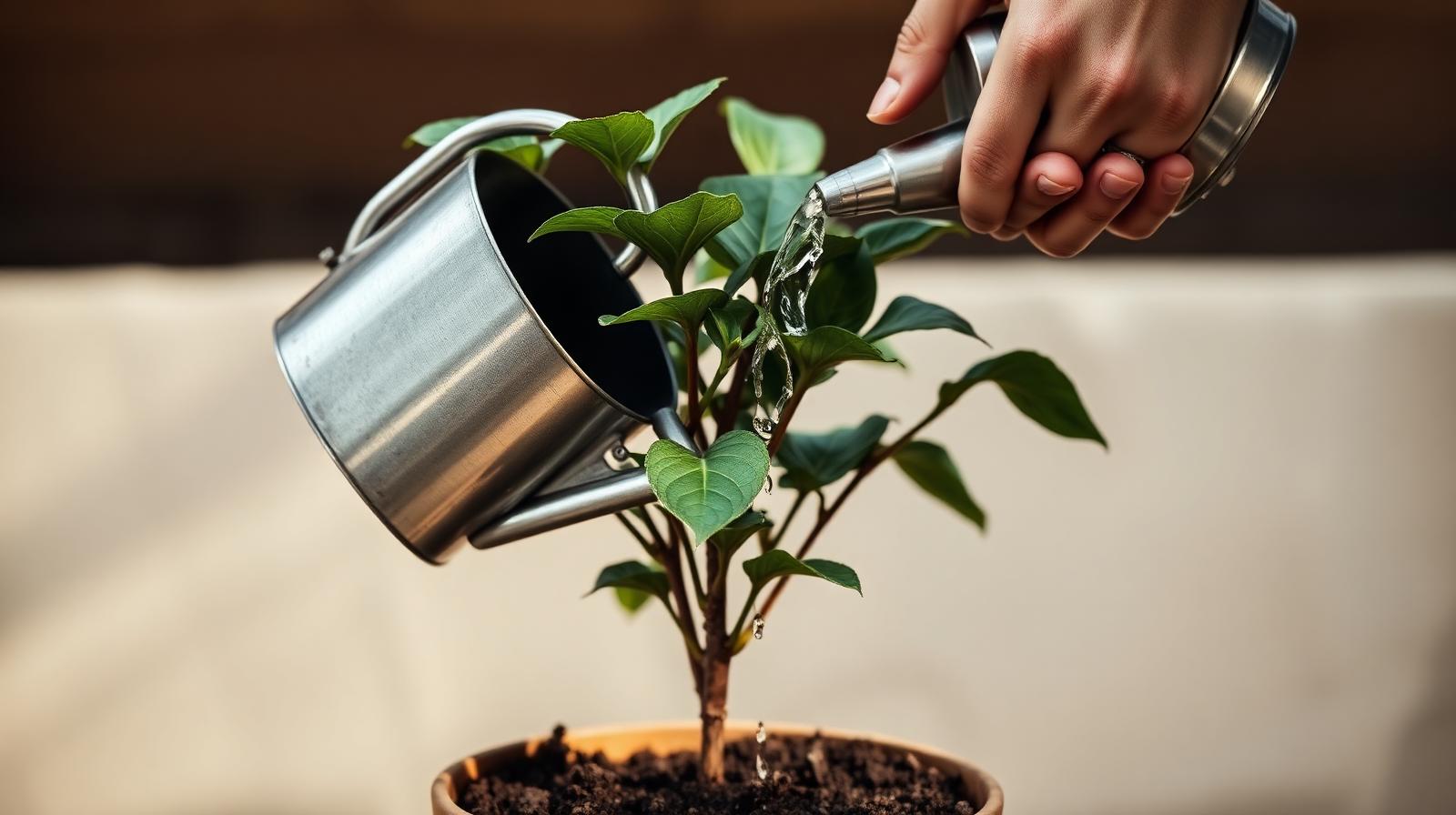
Why watering is the thing people get wrong
More plants die from watering than from any pest, disease or cold snap — and, surprisingly often, from too much water rather than too little. The reason is that we treat watering as a chore on a timetable ("water every Sunday") when it's really a judgement you make plant by plant, day by day, season by season. A pot on a hot windowsill in July might need water daily; the same plant in a cool room in January might go three weeks without needing a drop. A houseplant on a north-facing sill and a shrub in a baking courtyard bed have almost nothing in common watering-wise, and neither one behaves the same way in April as it does in August. A timetable can't know any of that. Your finger can.
Get this one skill — knowing when a plant actually needs water, and how that changes across the year — and almost everything else about keeping plants alive, indoors or out, gets easier.
How to tell when a plant actually needs water
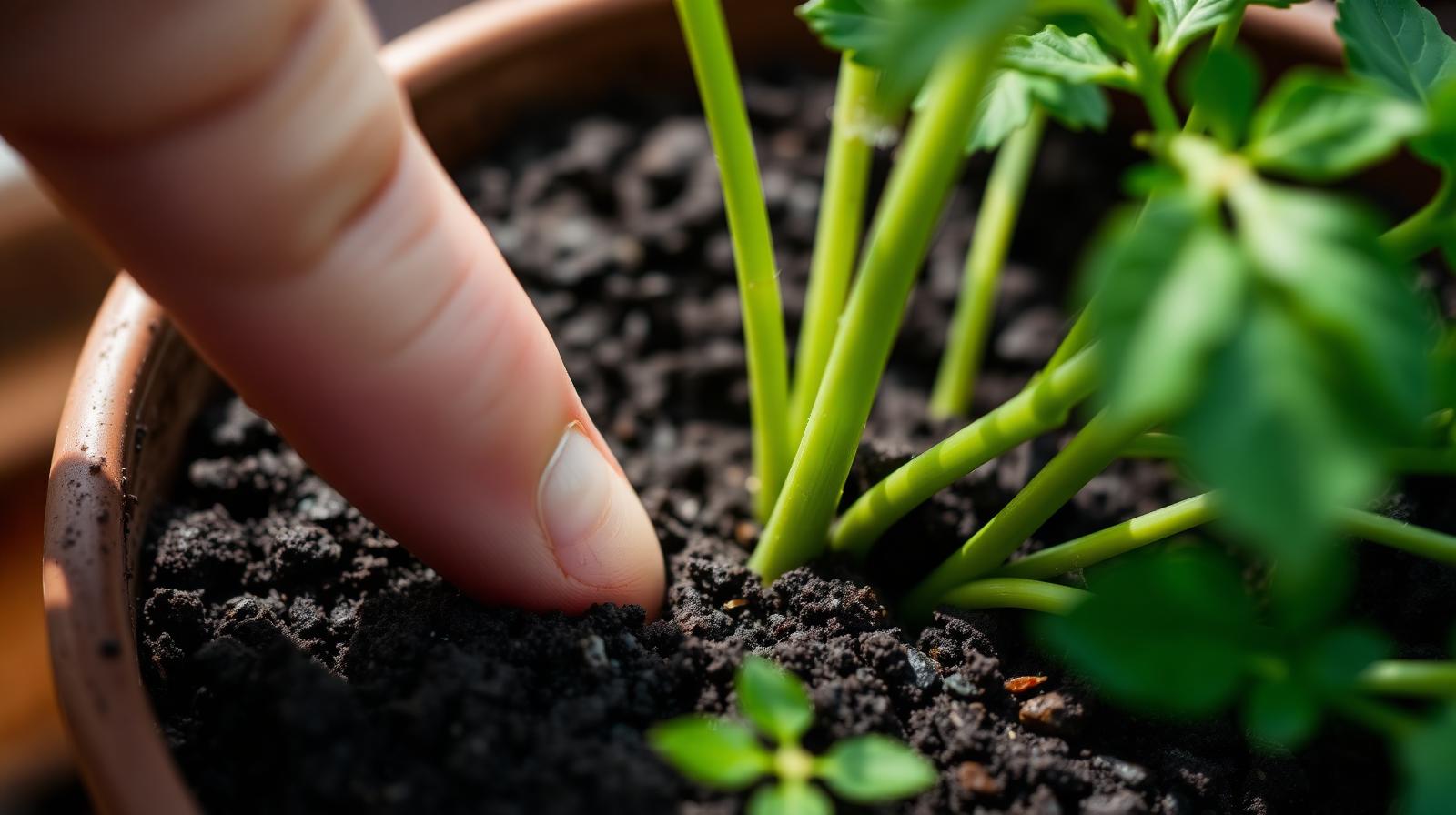
Forget the calendar and check the compost or soil directly. Two reliable tests, and they work the same whether you're checking a houseplant on a shelf or a shrub in a border, in any season:
- The finger test. Push a finger two or three centimetres into the compost or soil. If it comes out with damp material clinging to it, leave the plant alone. If it's dry at that depth, it's time to water. For drought-lovers like succulents and snake plants, let the compost dry out almost completely first.
- The weight test (pots only). Lift the pot. A pot with dry compost is surprisingly light; a well-watered one is noticeably heavy. After a week or two you'll be able to tell a thirsty plant just by picking it up — useful for houseplants and outdoor containers alike, and especially handy in winter when you're watering far less often and it's easy to lose track.
These beat any fixed routine, because they respond to what's actually happening — the heat, the season, the size of the pot, whether it's indoors or exposed outside — rather than what the calendar says.
How much, and how often
When you water, water deeply and thoroughly. For a pot — indoors or out — that means watering slowly until water runs freely from the drainage holes, so the whole rootball gets a drink, not a quick splash that only wets the surface. In a border or open ground, it means a good long soak that actually reaches down to the roots, not a light sprinkle that darkens the surface and stops there.
Deep, infrequent watering beats little-and-often, because shallow sips only wet the top layer and train roots to stay near the surface, where they dry out and overheat fastest. A deep soak pulls roots downwards to cooler, damper soil and makes the plant far more resilient — true for a courtyard bed just as much as a pot on a windowsill. So: water properly when you water, then wait until the plant needs it again rather than topping up every day out of habit.
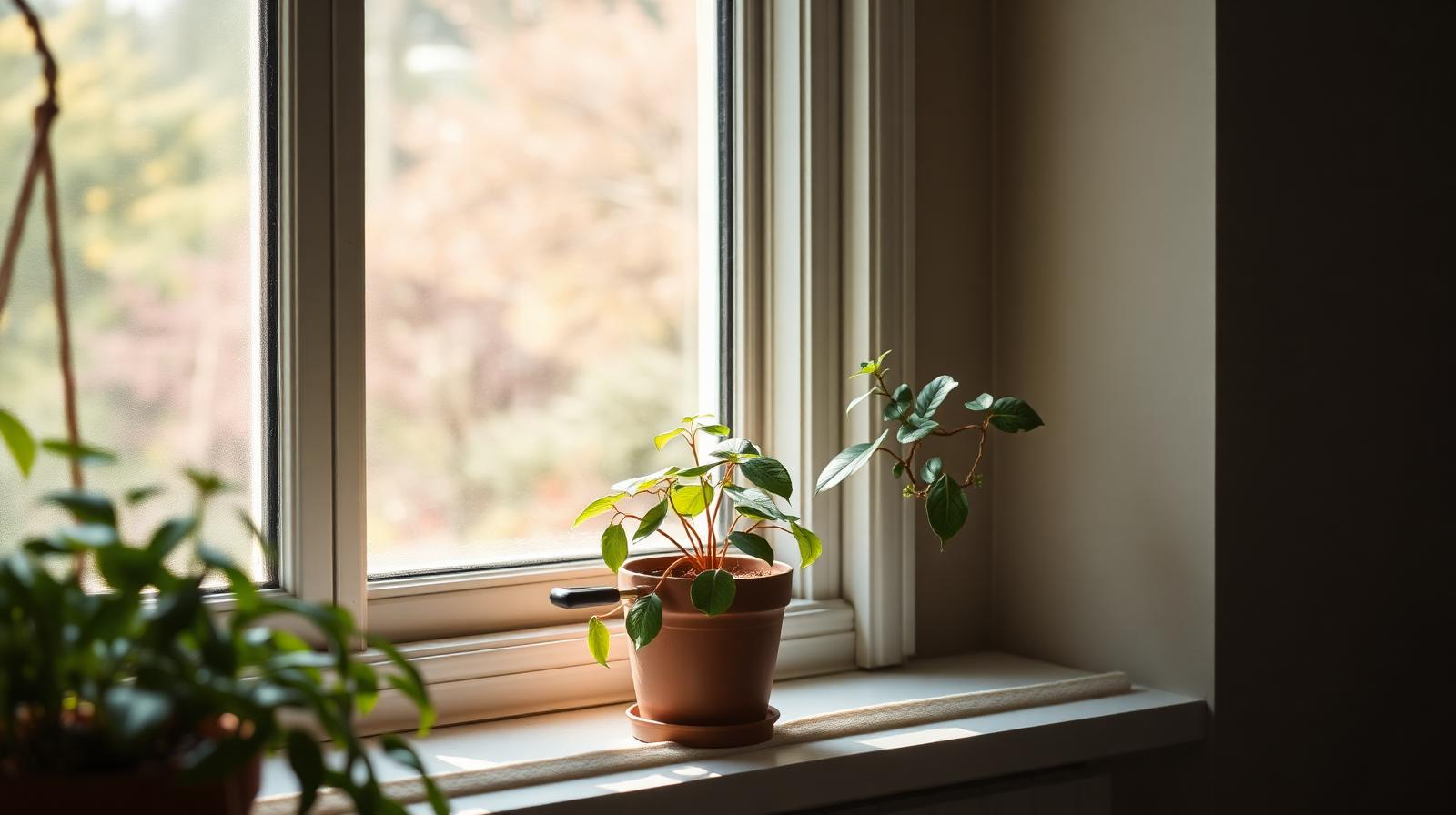
How often that works out to depends entirely on the plant, the pot or bed, the light, and — more than anything else — the season, which is the part most watering advice skips over.
How watering needs change through the year
This is the bit that gets left out of most watering advice, and it's the reason plants die in every season, not just summer. The same plant can need watering daily in July and barely at all in January — treating it the same way year-round is one of the most common causes of both drought stress in summer and root rot in winter.
- Spring: plants wake up, roots and leaves grow fast, days lengthen. Watering needs build steadily; check more often as growth picks up, especially for anything recently potted on or planted out.
- Summer: peak growth, heat, long daylight, high evaporation. The heaviest watering demand of the year; containers may need daily or twice-daily water, especially in a heatwave — see our guide to watering plants in the heat for the hot-weather specifics.
- Autumn: growth slows, days shorten, temperatures drop. Taper off gradually as the plant's growth slows; don't cut off abruptly, but reduce frequency as demand falls.
- Winter: most plants are dormant or resting, little active growth. The lowest watering demand of the year by far; many houseplants want watering every few weeks at most, and overwatering here is the classic killer.
The single biggest seasonal mistake is carrying a summer watering habit into autumn and winter. A routine that kept a plant thriving in August will drown it by December, because the plant simply isn't using the water — it's not growing, so it's not drinking, and the excess just sits in the compost rotting the roots. The fix isn't a fixed winter schedule either; it's checking less often (because there's less need to) but still checking, rather than watering on autopilot.
Spring is the opposite trap: people under-water because they're still in a winter mindset, just as the plant is waking up and actually starting to need more. Watch new growth appear — that's your cue demand is rising, not a date on the calendar.
The overwatering trap
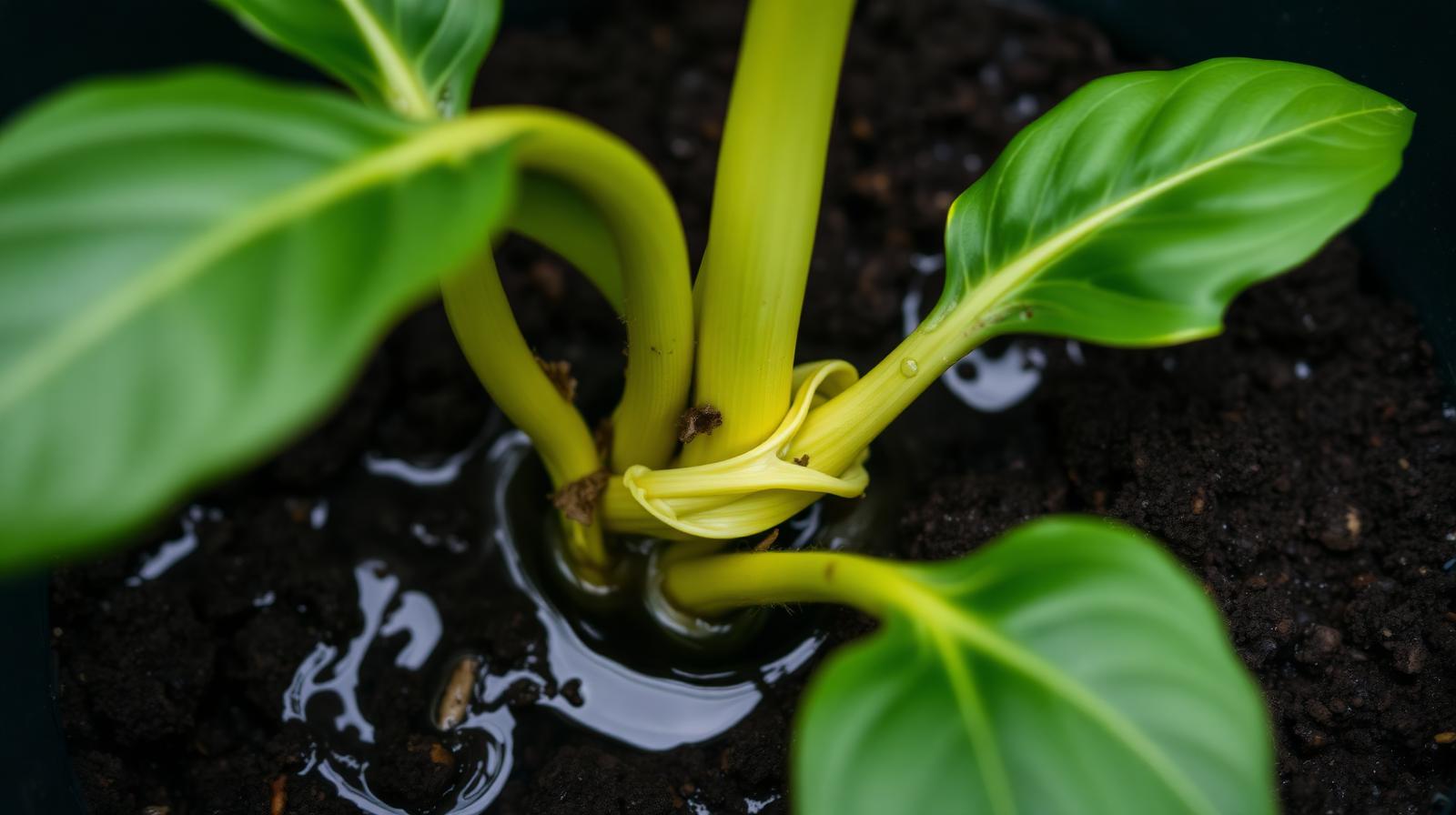
This is the big one, and it catches indoor and outdoor growers equally, in every season but especially winter. Roots need air as well as water, and compost or soil that's constantly soggy drowns them — they can't breathe, they begin to rot, and the plant collapses. The cruel part is that an overwatered, rotting plant looks exactly like a thirsty one: it wilts and yellows. So the natural response is to water it more, which finishes it off.
Two rules keep you out of the trap. First, always check before you water — if the compost or soil is still damp, wait, whatever day of the week it is. Second, drainage is non-negotiable for anything in a container: every pot needs holes in the bottom, and no plant should ever sit in a saucer of standing water. Outdoors in open ground, drainage matters just as much but shows up differently — heavy clay soil that holds water through a wet winter is just as capable of drowning roots as an overwatered houseplant. If a plant is wilting in wet compost or waterlogged soil, it's drowning, not thirsty, and the fix is to stop watering and let it dry out — or, outdoors, improve drainage before you plant there again.
Reading the signs: too wet or too dry?
The symptoms overlap, so check the compost or soil as well as the leaves — this applies equally to a houseplant and something growing outside, and in any season.
| Sign | Overwatered | Underwatered |
|---|---|---|
| Compost or soil | Soggy and heavy, sometimes smells sour | Dry, light, shrinking away from the sides of the pot |
| Leaves | Soft, yellowing — often lower leaves first | Crispy, brown edges, curling |
| Wilting | Wilts even though the soil is wet | Wilts, then perks up after a water |
| Other clues | Fungus gnats, mould, mushy brown roots | Slow growth, dropping leaves |
Top watering or bottom watering?
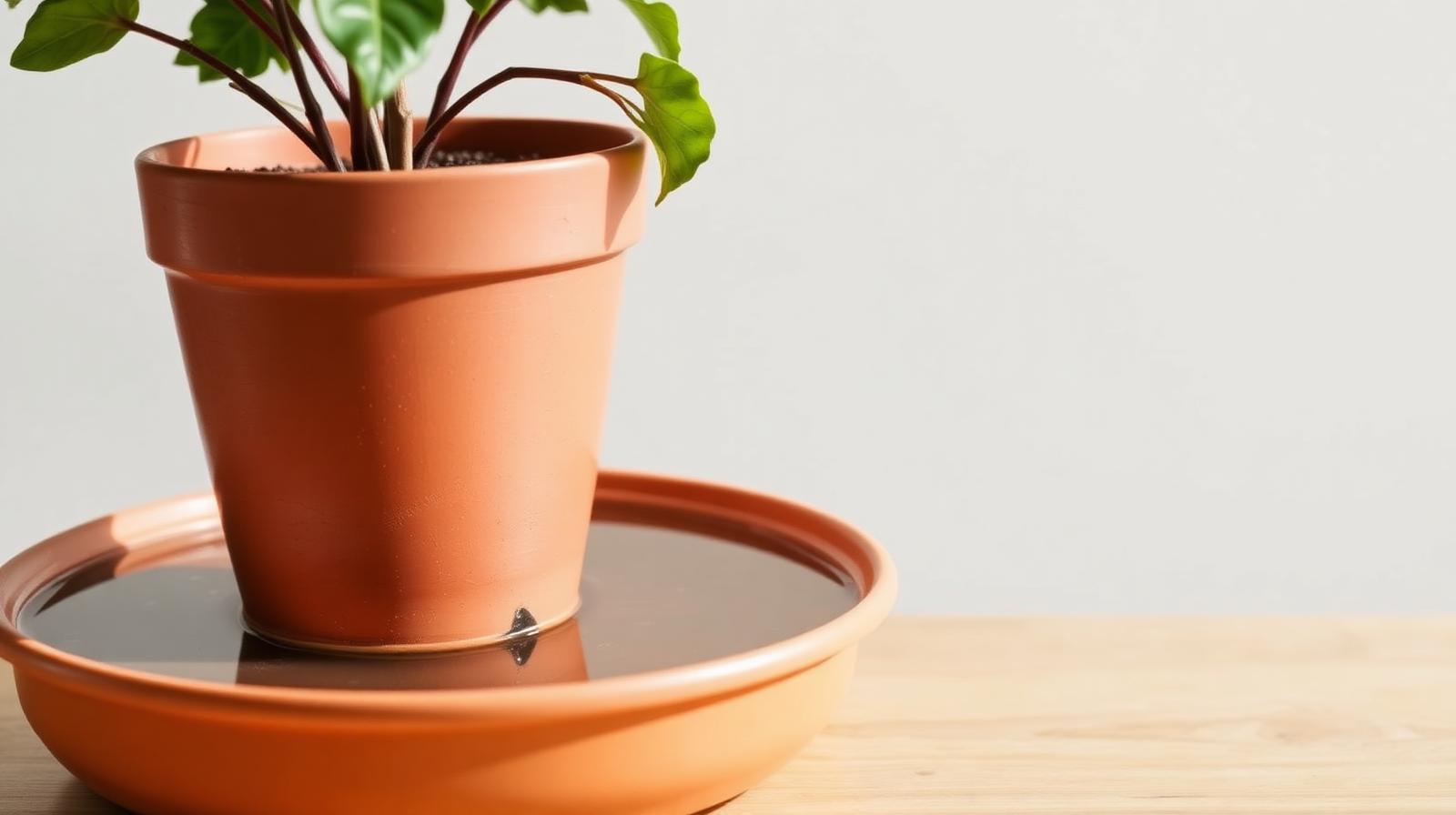
Most of the time, watering from the top is fine for both houseplants and outdoor pots — and it has the bonus of flushing out the salts that build up in compost over time, especially useful after a winter of less frequent watering. But bottom watering is a useful trick, mainly for pots (indoor or outdoor): stand the pot in a few centimetres of water for fifteen to thirty minutes and let the compost soak it up from below, then let it drain. It waters evenly, it's gentle on plants that hate wet leaves or crowns, and it's the best way to rehydrate compost that's dried out so hard the water just runs straight off the top and out of the drainage holes without properly soaking in.
Different setups, different rules
Where a plant lives changes how you water it — this is the difference between indoor and outdoor growing in one table. Frequencies below assume the growing season; scale right down for winter, as covered above.
| Setup | How to judge | Rough frequency (growing season) |
|---|---|---|
| Houseplants | Finger in the top few cm; many like to dry out between waterings | Weekly-ish in summer, far less in winter |
| Outdoor containers (pots, window boxes, hanging baskets) | Check daily in warm weather — they dry fast, more than people expect | Daily, or twice daily in a heatwave; much less outside summer |
| Open ground, courtyard or cottage garden beds (established plants) | Roots reach deeper moisture, so they need less once settled in | A deep soak in dry spells; rarely, once truly established |
| Seedlings and newly planted-out plants (indoors or out) | Shallow roots; keep evenly moist, never dry | Little and often until they've rooted in properly |
The headline: pots dry out fastest and need the most attention, whether they're on a windowsill or in a courtyard — especially small pots and terracotta. Plants in open ground have a much bigger reservoir of soil to draw on and, once properly established, often need no supplementary watering at all except in a real drought or heatwave. The RHS's general watering advice is worth a skim if you want another view on this.
Useful tools, if you want them
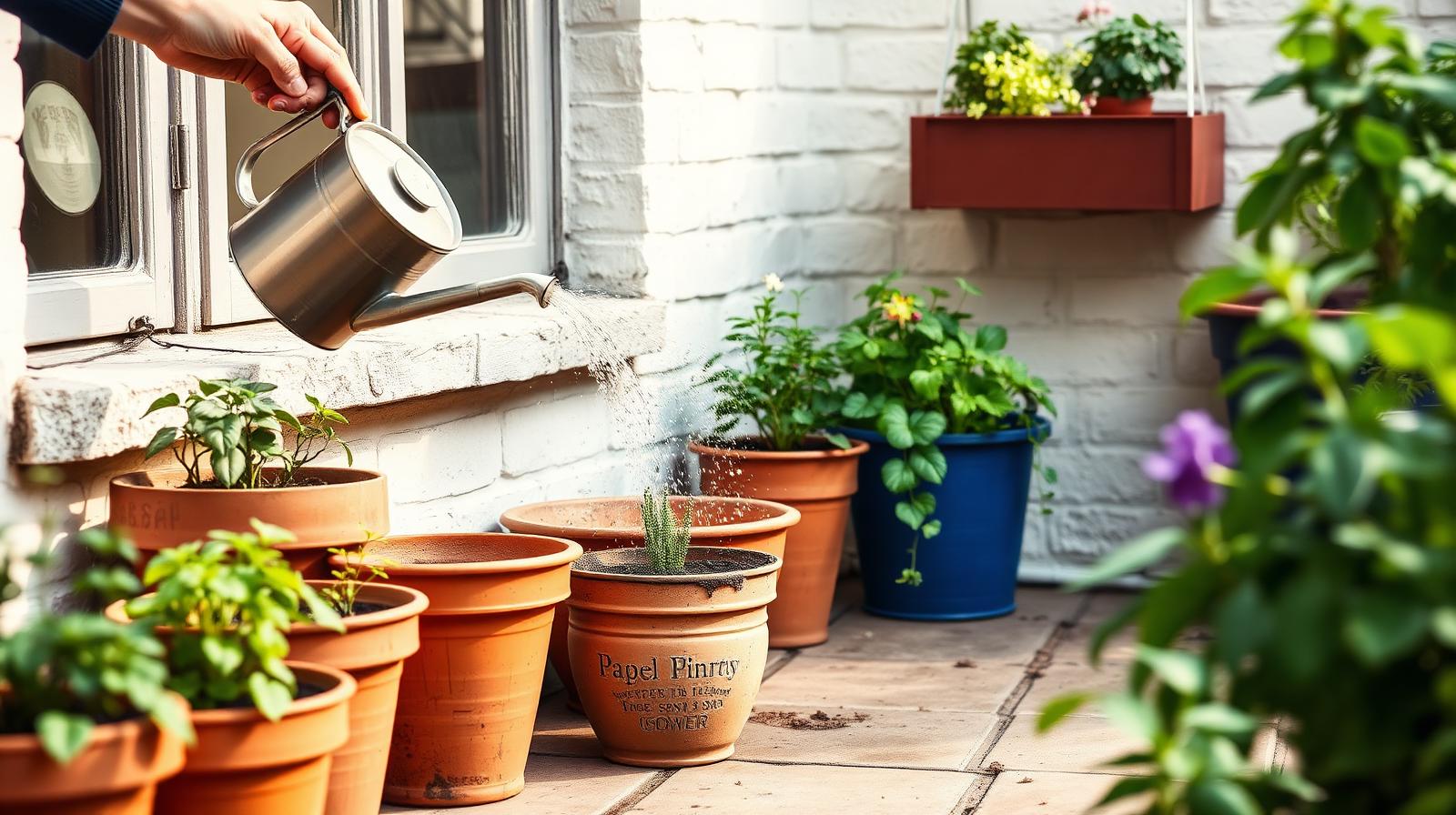
None of these are essential — the finger test costs nothing — but a few tools make watering easier as your collection grows. A watering can with a long, narrow spout makes it easy to water at the base of a plant without wetting the leaves, especially useful for houseplants packed onto a windowsill. A moisture meter takes some of the guesswork out for beginners, though it's genuinely no more accurate than a clean finger once you've got the hang of the finger test. Self-watering pots or reservoirs are handy for consistent moisture with less frequent topping-up, particularly useful for holidays or for thirstier plants in summer. A watering can with a rose (fine sprinkler) attachment softens the flow for seedlings and young plants, which can be knocked over by a hard jet of water from a plain spout.
A few good habits, indoors and out
Water at the roots, not over the leaves — wet foliage invites disease, and most of a sprinkle over the top never reaches the roots anyway, indoors or out. Water in the morning where you can, so foliage dries through the day rather than sitting damp overnight. Rainwater from a butt is the best thing you can give any plant — soft, free and chlorine-free — but tap water is perfectly fine for the vast majority of houseplants and garden plants alike. And ease right off in autumn and winter, as covered above: most plants, indoors and outdoors, are resting then and need a fraction of their summer water. Overwatering a dormant houseplant in January is one of the most common ways a plant gets killed with kindness — and outdoors, waterlogged winter soil can be just as damaging to roots as summer drought.
Going away for a while? Group thirsty pots together in a shady spot, use a bottom-watering tray or self-watering reservoir, and ask someone to check in if you'll be gone more than a week or two in summer. In winter, most plants can go two or three weeks unattended without any trouble at all.
A note on hot weather and warmer climates
If you're in a tropical or warm climate, or facing a heatwave, the seasonal swing described above is far less pronounced, or works on a different rhythm (wet season versus dry season rather than summer versus winter) — but the core skill is identical: check before you water, water deeply, and don't water on autopilot. In genuine heat, pots indoors and out can dry out in a single afternoon and may need watering twice a day. See our dedicated guide to watering in a heatwave for hot-weather specifics like rehydrating bone-dry pots and what to prioritise when you can't water everything. If you're just getting started with houseplants alongside this, the best indoor plants for beginners are all extremely forgiving of the odd watering slip.
FAQ
How often should I water my plants?
There's no fixed schedule — it depends on the plant, the pot or bed, the light, and above all the season, plus whether it's indoors or exposed outside. Check the compost or soil with your finger and water when the top few centimetres are drying out. The same plant might need water daily in summer heat and barely at all in winter.
Do I need to water my plants less in winter?
Yes, significantly less for almost everything. Most plants are dormant or resting through winter, using very little water, so a summer watering routine carried into winter is one of the most common ways plants are overwatered and killed. Check before watering rather than sticking to a schedule.
Is it better to water in the morning or the evening?
Morning, ideally, indoors and out. The plant heads into the day hydrated and any splashed foliage dries quickly. Evening works if mornings aren't possible, but leaves and soil staying damp overnight can encourage slugs and disease, particularly outdoors.
How do I know if I'm overwatering?
Check the compost or soil: if it's soggy and the plant is still wilting, or its lower leaves are yellowing and soft, it's overwatered, not thirsty. Fungus gnats, mould on the surface and a sour smell are other giveaways, mostly seen indoors. Let it dry out and make sure the pot or bed drains freely.
Should I water plants from the top or the bottom?
Either works, for houseplants and outdoor pots alike. Top watering is simplest and flushes out built-up salts; bottom watering (standing the pot in water to soak up from below) is gentler, more even, and the best way to rehydrate compost that's dried out hard. Always let pots drain afterwards.
Can I use tap water on my plants?
Yes — tap water is fine for almost all plants, indoors and outdoors. Rainwater is better if you can collect it, being soft and chlorine-free, and a few fussy plants prefer it, but for everyday growing tap water is perfectly good either way.
When should I start watering more as the seasons change?
Watch the plant rather than the calendar. New growth appearing in spring is the clearest sign demand is rising and it's time to check more often. In autumn, watch for growth slowing and days shortening as your cue to start tapering off, rather than cutting water off abruptly.
Do indoor and outdoor plants really need different watering approaches?
The core skill is identical — check before you water, water deeply, avoid waterlogging — but outdoor plants are more exposed to sun, wind and rain, so their needs change faster and more dramatically than a houseplant's, and they're more affected by the season outdoors reflects.
FURTHER READING
- Houseplants
Best Indoor Plants for Beginners
- Getting Started
How to Propagate Plants
- Getting Started
The Complete Guide to Repotting
Robin is a small-space grower writing for everyone working with a courtyard, balcony, window box, patio or sunny sill. Edible and leafy, both kept alive in the kind of light real small spaces actually get.
✦ Free with the newsletter — the small-space starter sheet
Grow Anywhere — a free weekly email.
The Potted Club newsletter. A short note from Robin — what to sow, one plant problem solved, and the best new guide.
FREE WEEKLY EMAIL · NO SPAM · UNSUBSCRIBE ANYTIME