
Can You Buy Houseplants in Winter? What to Check Before You Take One Home
Buying houseplants in winter is fine if you check where they've been kept, protect them on the way home and settle them in carefully, with RHS advice.
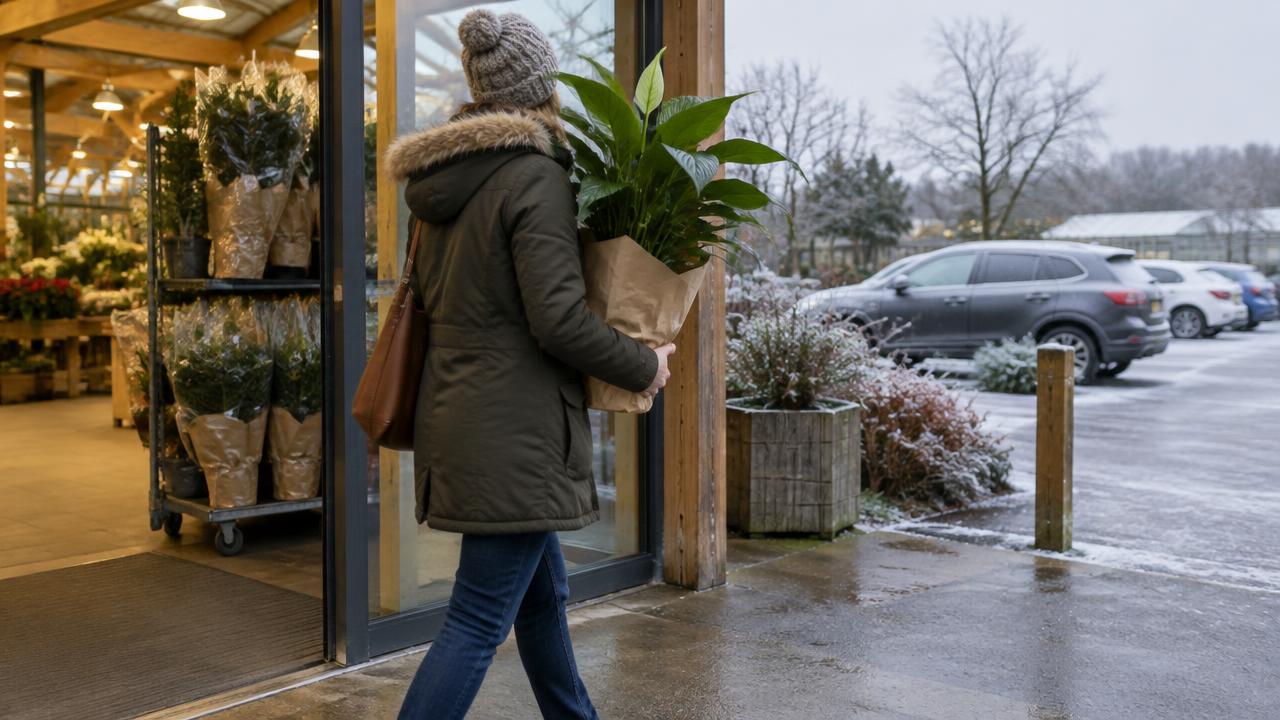
There is no reason to stop buying houseplants just because it is November. Garden centres and florists are full of them, and some of the best flowering houseplants are only really on sale in winter. What changes at this time of year is the cold. Most houseplants come from much warmer places, and exposure to cold in a shop entrance, on the journey home or during delivery can damage sensitive plants, sometimes without any visible sign until several days later. This covers what to check before you buy, how to get a plant home safely, what to know about ordering online, and how to settle a new plant in.
Yes, but cold is the risk
Most houseplants are tropical or subtropical, so they are used to steady warmth. The RHS advises checking the minimum temperature each plant will tolerate, and keeping houseplants away from cold draughts, which can shock them. A plant that sits in the cold for too long in winter may look perfectly healthy when you buy it, then start to suffer once it is home.
Cold damage doesn't always show straight away. Over the following days, watch for leaves that discolour, turn soft or translucent, collapse or start dropping. Not every dropped leaf means the plant was chilled, because a move from a bright, humid nursery to a centrally heated room (see where to put houseplants when the heating is on) can also make a plant shed a few leaves as it adjusts. If leaves begin collapsing or discolouring soon after you buy a plant, cold is one possible cause, particularly if it spent time outdoors or near a draughty entrance, although overwatering and other stresses can look similar. If you suspect it was damaged before or during the journey home, take photographs and contact the retailer promptly.
What to check in the shop
Start with where the plant has been kept. A plant beside an open entrance, in an unheated outdoor sales area, on a pavement stall or anywhere draughty is at much more risk than one kept in a heated indoor section. This matters most with poinsettias. The RHS says the most common reason poinsettias drop their leaves and coloured bracts is that they have been displayed in cold, draughty atriums or on chilly pavements, and its December advice warns against buying poinsettias that have been accidentally chilled, especially from street stalls on cold days.
Then look at the plant itself. The RHS suggests reading the label first, or looking the plant up on your phone, so you know you can give it the light and warmth it needs. It advises choosing a plant that is balanced in shape with no dieback, and with healthy leaves that aren't discoloured, browning or spotted. Avoid plants that are wilting. A plant wilting in dry compost has been neglected, while one wilting in wet compost may have root damage from overwatering or root disease.
Check for pests and disease before you go to the till. The RHS lists fungus gnats, glasshouse red spider mite, mealybugs and scale insects as problems to look for, along with yellowing leaves and grey mould. Turn a few leaves over and look at the stems and the surface of the compost. Roots growing thickly out of the drainage holes can mean a plant is pot-bound. That isn't necessarily a reason to leave it on the shelf, but it may need a bigger pot in spring, and there is no need to pull the rootball apart in the shop to check. For flowering plants, the RHS suggests choosing one with plenty of unopened buds, because it will flower for longer.
Getting it home
The RHS advises covering the plant for the journey home, to protect it from cold, especially in winter. Most garden centres and florists will wrap a plant in a paper or plastic sleeve if you ask. For a poinsettia, the RHS suggests asking for the top of the plant to be wrapped, or putting it in a bag.
After that, keep the plant's time in the cold as short as you can. Make the garden centre your last stop rather than your first, take the plant straight home, and don't leave it in a parked car while you do other shopping, because a car cools quickly on a winter day. If you're travelling on foot or by public transport, carry it close rather than leaving it in a cold porch or vestibule. Wrapping protects a plant against brief exposure to cold. It won't keep a tropical plant safe through a long wait in freezing weather.
Once you are home, unwrap the plant and put it somewhere warm and bright, out of draughts. The RHS also suggests keeping it away from ripe fruit, which gives off ethylene gas that can shorten the life of flowers.
Buying online in winter
Ordering online takes the journey out of your hands, so it is worth checking how a seller handles cold weather before you buy. Some UK retailers watch the forecast and hold orders during cold snaps. Sprouts of Bristol, for example, says it avoids sending plants without heat packs when the temperature is due to fall below freezing overnight. Others, such as Houseplant.co.uk, sell heat packs that can be added to winter orders.
A heat pack helps, but it isn't a guarantee. It can't ensure a safe temperature throughout the journey, especially if a parcel is delayed in a depot or left on a doorstep. Check the dispatch date and the overnight forecast, and choose a delivery day when someone will be in to take the parcel, rather than relying on it being left somewhere unattended. Unpack the plant as soon as it arrives. If it is damaged, take photographs straight away and contact the seller promptly.
Good plants to buy in winter
Winter is the season for a handful of flowering houseplants, and each has its own needs. They are seasonal plants rather than ordinary foliage houseplants, so check the label for each one.
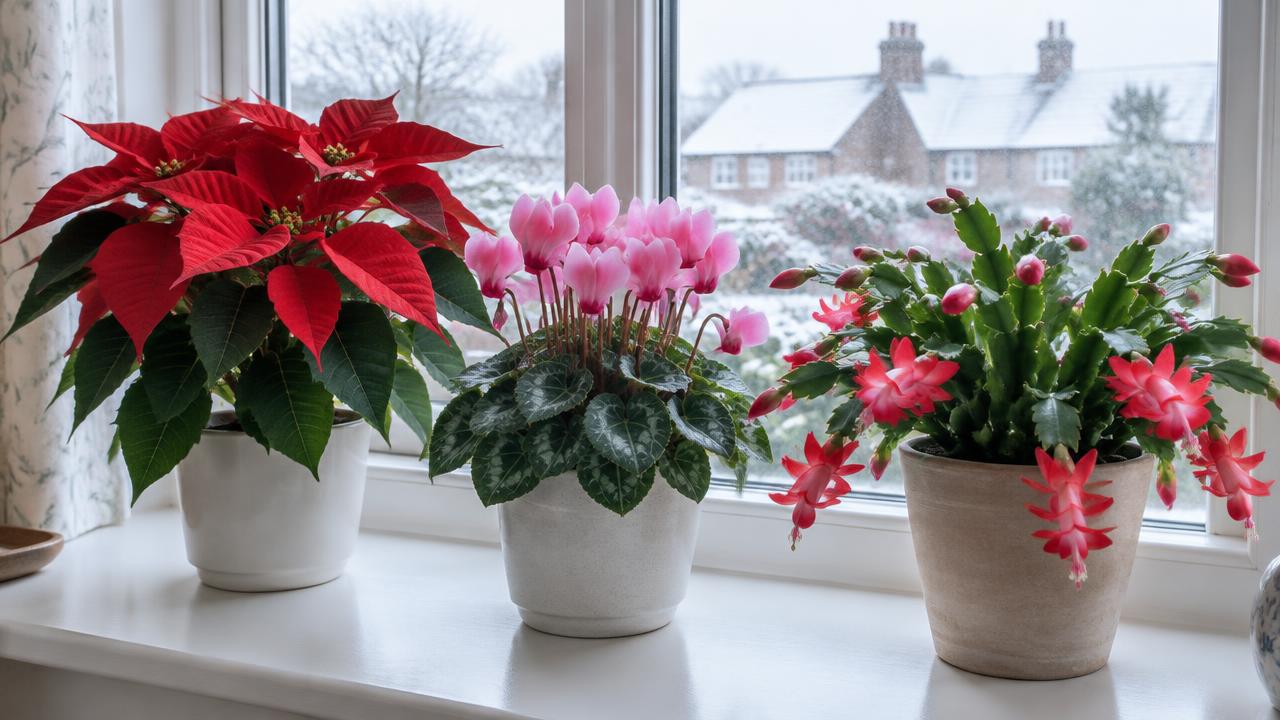
Poinsettias need warmth. The RHS gives a minimum temperature of 13 to 16°C, bright light out of direct sun, and sparing watering, because overwatering can damage them. The RHS says they are considerably less toxic than other euphorbias, but the milky sap can irritate skin and eyes. Cyclamen are the opposite, preferring a cool room with good light. The RHS advises watering them from below, into the saucer, because wet leaves can rot or develop fungal infections. Let the compost absorb what it needs, then empty any water left in the saucer.
Christmas cactus comes from forests rather than deserts, and has no spines. It needs cooler temperatures and long, uninterrupted nights to form flower buds, and the RHS says a room above 18°C or artificial light after dark can stop buds forming. Once a plant is in bud, keep its conditions reasonably steady rather than moving it around. The jasmine sold as a winter houseplant is Jasminum polyanthum, with pink buds opening to white, star-shaped flowers. The RHS describes it as possibly the best scent of any houseplant. It is a different plant from the winter jasmine grown outside on walls, so check the label. Amaryllis is also widely sold now, often as a gift, and our article on indoor bulbs to plant now covers how to grow it.
The first few weeks at home
Keep a new plant apart from your other houseplants for at least a couple of weeks if you have the space. Eggs and early infestations of pests such as mealybugs or red spider mite aren't always visible in the shop, and a spell on its own lets you check the plant without the problem spreading. Look under the leaves and along the stems every few days, and keep an eye on it after it joins the others, because some pests take longer to show.
Give it the right spot. Winter light is weaker, so many houseplants benefit from a brighter position than they need in summer, and the RHS says flowering plants usually need more light than foliage plants. Choose a spot that suits the plant, rather than moving everything into direct sun. Keep it away from radiators, which can dry the leaves and brown their edges, and from cold windowsills and the space behind closed curtains, which can get very cold at night. Our article on houseplants and heating explains how to find the best spots in a heated home.
Water carefully. The RHS advises checking that a plant needs water rather than watering to a routine, and says plants in cool rooms need less water than those in warm ones. Central heating dries the air, though, so pots can dry out faster than you expect. Use water at room temperature rather than straight from a cold tap. If the plant is in a decorative pot cover, the RHS suggests checking ten minutes after watering and tipping out any water that has collected. Many houseplants need little or no feeding while growth is slow in winter, and the RHS suggests feeding no more than once a month if you do.
Don't repot a new plant straight away. The RHS recommends repotting in spring, so the plant can establish during the growing season, and a plant that has just been moved has enough to adjust to. The exception is a plant with a real problem. If the roots are rotting, the compost is sodden and won't drain, or the pot is broken, it is better to deal with it now than to wait. Otherwise, leave it alone until spring.
Keep things alive in small spaces. Join the Club for one practical issue a week: what to sow, one plant problem solved, and the best new guides. Free, no spam.
FAQ
Is it OK to buy houseplants in winter?
Yes. Houseplants are on sale all year, and many seasonal flowering plants are at their best in winter. The main thing is to protect them from cold, both in the shop and on the way home.
How do I get a houseplant home safely in cold weather?
The RHS advises covering the plant for the journey home to protect it from cold, especially in winter. Ask for the foliage to be wrapped, keep the time outdoors short and don't leave the plant in a parked car.
Why is my new poinsettia dropping its leaves?
The RHS says the most common reason is that poinsettias have been displayed in cold, draughty places or on chilly pavements. They need a minimum of 13 to 16°C, bright light out of direct sun and careful watering.
Should I repot a new houseplant in winter?
Usually not. The RHS recommends repotting in spring, when the plant can establish during the growing season. The exception is a plant with a real problem, such as root rot, saturated compost or a broken pot, which may need attention sooner.
Is it safe to order houseplants online in winter?
It can be, but check the seller's cold-weather policy before ordering. Some retailers add heat packs or hold orders when frost is forecast, but a heat pack can't guarantee a safe temperature if a parcel is delayed or left outside.
RELATED POSTS
Robin is a small-space grower writing for everyone working with a courtyard, balcony, window box, patio or sunny sill. Edible and leafy, both kept alive in the kind of light real small spaces actually get.
✦ Free with the newsletter — the small-space starter sheet
Grow Anywhere — a free weekly email.
The Potted Club newsletter. A short note from Robin — what to sow, one plant problem solved, and the best new guide.
FREE WEEKLY EMAIL · NO SPAM · UNSUBSCRIBE ANYTIME