Fire Risk in a Dry Garden, and What to Actually Check
UK fire services have responded to over 700 wildfires this year, and a garden fire can spread to a house within minutes. Compost heaps, mulch, dry grass and where flammable things sit near your home, what actually matters and what to do about it.
The current picture
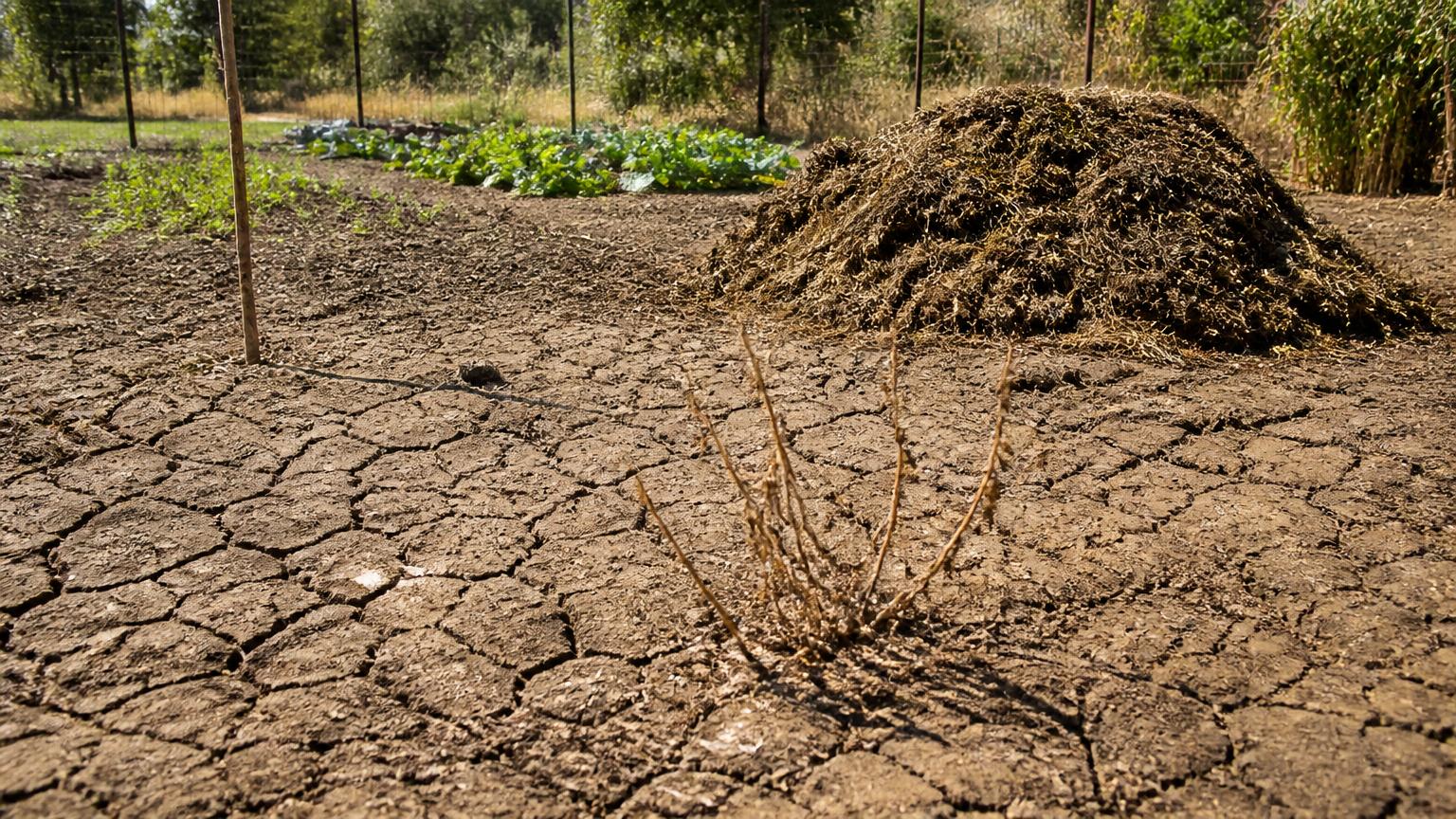
Fire and rescue services in England and Wales have responded to 706 wildfires so far in 2026, with 208 of those recorded in just twelve days between 16 and 28 July. The National Fire Chiefs Council has been explicit that continued dry conditions, combined with the heat, are creating exactly the circumstances in which fires ignite and spread rapidly, and risk remains elevated heading into what forecasters are calling a possible fourth heatwave of the year.
This isn't abstract or distant. A record heatwave in a previous summer saw grass fires spread into built-up parts of London, destroying more than 40 houses and shops after starting in nearby open ground and verges. Fire chiefs were explicit afterwards that lessons from rural wildfire response needed applying urgently to urban and suburban areas too, since dried-out gardens, verges and green spaces in a city are just as capable of carrying a fire as countryside moorland is.
The practical point for anyone gardening in a small space: this isn't only a rural concern, and a few sensible habits in a dry summer genuinely reduce risk, without requiring you to give up mulching, composting, or anything else you'd normally do.
Compost heaps: a genuine, surprising risk
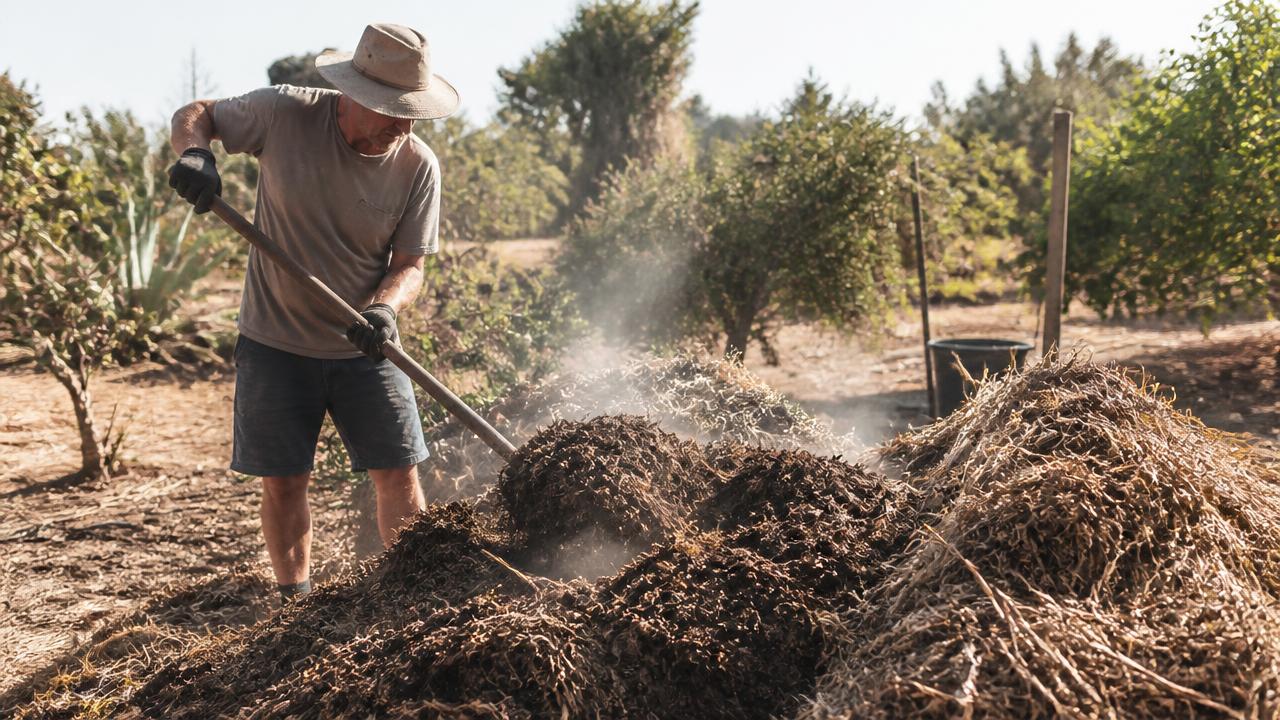
This is the fact worth knowing even if nothing else in this piece sticks: a compost heap can catch fire entirely on its own, from the heat generated by its own decomposition, with no external spark or ignition source needed at all. As organic material breaks down, it generates real heat internally, and in a large, dry, poorly turned heap, that heat can build to the point of genuine combustion.
The fixes are straightforward and don't require abandoning composting. Keep the heap moist rather than bone dry; if it's dried right out in the heat, a watering can or hose (or grey water, if you're under a hosepipe ban) works fine to dampen it back down. Turn the pile regularly, which lets built-up heat dissipate rather than concentrate. Keep a reasonable balance of green and brown material rather than a heap that's gone entirely dry and brown. And position the heap itself away from the house, sheds, fences, or anything else flammable, purely as a matter of where any fire it did produce would spread to first.
Mulch: good practice, with one caveat right now
Mulch is genuinely good gardening practice, and nothing in this piece changes that; as covered in our watering guide, it's one of the more effective ways to reduce water loss from containers and beds during exactly this kind of hot, dry spell. The caveat worth knowing during a genuine drought is that thick, dry, densely piled mulch carries some of the same risk as a compost heap.
Keep mulch layers to a sensible thickness rather than piling it deep, roughly 5 to 10cm is generally recommended, since a thick pile holds heat and dries out in a way a thinner layer doesn't. Closer to the house, favour less flammable materials (well-rotted compost, grass clippings) over the driest, most combustible options. And in a genuine prolonged dry spell, keeping mulched beds lightly damp, rather than allowing them to dry out completely, addresses both the watering benefit mulch is meant to provide and the fire risk at the same time.
Where things sit matters more than what they are
A lot of fire service advice for gardens comes down to position: keeping a sensible gap between anything flammable and the house itself, so that even if something does catch, it doesn't have a direct route to spread.
Compost heaps, sheds, and garden furniture are all worth keeping a reasonable distance from the house rather than pressed right up against a wall. Stored fuel, fertiliser and pesticides should be kept well away from the house too, both for fire risk and general safety. Dead leaves and debris in gutters are a genuine, often-overlooked risk, since they're exactly the kind of dry material that can catch a floating ember and let a fire reach the roof space; clearing gutters is worth doing in a prolonged dry spell even outside the usual autumn routine. And any loose or broken roof tiles are worth checking and repairing, since gaps are exactly where embers can find their way into a roof space in the event of a nearby fire.
The same logic applies to a balcony or a small paved yard, where containers and stored compost often end up pressed against a wall or a door simply because that's where the space is. A bag of dry compost or a stack of dried-out prunings against the house is worth moving even if the garden itself is tiny.
Keep grass shorter than usual
Longer grass dries out and becomes more flammable in a drought, so keeping it cut to a shorter length than you might in a normal summer, roughly below 7cm, genuinely reduces the fuel available if a spark does land nearby. This sits alongside, not against, the advice already covered in our piece on watering the lawn in summer: you're not watering a dormant lawn to keep it green, but keeping it cut short is a separate, worthwhile habit through a genuine drought regardless of whether you're watering it at all.
Barbecues and open flames
Worth a direct mention given how often they're involved in garden and grassland fires during hot, dry spells. Disposable barbecues in particular are a recurring cause of grass fires, since they're often placed directly on dry grass and can remain hot for hours after use, even once the flames themselves are out. If you're using any kind of barbecue during a dry spell, keep it well clear of dry grass, mulch, or anything else flammable, and never place a disposable barbecue directly onto grass. Let any barbecue cool completely and dispose of ashes safely, never into a compost heap or directly onto dry ground.
A quick checklist before the next hot spell
Worth running through once, rather than treating each point separately, since together these cover most of what fire services are actually asking households to check.
- Compost heap kept moist and turned regularly, positioned away from the house and any other structures.
- Mulch kept to a sensible thickness, dampened during genuine drought, less flammable material used closer to the house.
- Lawn cut shorter than usual, roughly below 7cm, while conditions stay dry.
- Gutters cleared of dead leaves and debris.
- Loose or broken roof tiles checked and repaired.
- Sheds, garden furniture and stored fuel, fertiliser or pesticides kept a reasonable distance from the house.
- A clear route in and out of the property, front and back, kept free of obstruction.
None of this is a large amount of work individually, and most of it overlaps with ordinary good garden maintenance anyway. The value is in doing it deliberately during a genuinely dry, high-risk spell, rather than leaving it to whenever it would normally get done.
Doing this while under a hosepipe ban
If you're in one of the areas currently under a hosepipe ban, keeping mulch, compost and dry areas of the garden damp doesn't require breaking any restriction. As covered in our piece on hosepipe bans and what they mean for your pots, watering cans, collected rainwater from a butt, and grey water from the house are all still freely available, and are genuinely enough to dampen down a compost heap or a mulched bed without needing a hosepipe at all. This is a case where a small, targeted watering can effort, prioritised over less urgent watering elsewhere in the garden, does real, practical good.
FAQ
Can a compost heap really catch fire on its own?
Yes, genuinely. The heat generated by a compost heap's own decomposition process can, in a large, dry, poorly turned pile, build up enough to cause combustion without any external spark. Keeping the pile moist and turning it regularly are the main preventive steps.
Is garden fire risk really a concern in a city or small garden?
Yes. A previous record UK heatwave saw grass fires spread into built-up London, destroying dozens of homes and shops after starting in nearby open ground. Fire services have been explicit that this isn't purely a rural, countryside issue.
Should I stop mulching during a drought?
No, mulch remains genuinely useful for retaining moisture in beds and containers. The adjustment worth making is keeping layers a sensible thickness rather than piled deep, and keeping mulched areas lightly damp rather than letting them dry out completely, particularly close to the house.
How short should I cut my lawn to reduce fire risk?
Roughly below 7cm is the general fire-safety guidance during a drought, since shorter, less dense grass carries less fuel for a spark to catch on. This is a separate consideration from whether you're actively watering the lawn.
Where should I position a compost heap or shed?
Away from the house, other structures, and boundary fences where possible, so that if a fire did start there, it has some distance to cover before reaching anything else. This is standard advice from UK fire services for reducing risk in dry conditions.
Can I still water my garden to reduce fire risk during a hosepipe ban?
Yes. Watering cans, water butts, and grey water from the home are unrestricted under every current UK hosepipe ban, and are genuinely sufficient for keeping mulch and compost heaps damp, even if a hosepipe isn't available for broader garden watering.
What should I do with barbecue ashes?
Let them cool completely before disposing of them, and never tip them directly onto dry grass, mulch, or into a compost heap. Ashes can retain enough heat to ignite dry material even after the barbecue itself appears to have gone out.
READ THE FULL GUIDE
Container Growing Fundamentals →
RELATED POSTS
Robin is a small-space grower writing for everyone working with a courtyard, balcony, window box, patio or sunny sill. Edible and leafy, both kept alive in the kind of light real small spaces actually get.
✦ Free with the newsletter — the small-space starter sheet
Grow Anywhere — a free weekly email.
The Potted Club newsletter. A short note from Robin — what to sow, one plant problem solved, and the best new guide.
FREE WEEKLY EMAIL · NO SPAM · UNSUBSCRIBE ANYTIME