Pet-Safe Houseplants: What's Safe and What Isn't
Which houseplants are safe for cats and dogs? The common plants to avoid, safer alternatives, and the one flower cat owners shouldn't bring home.
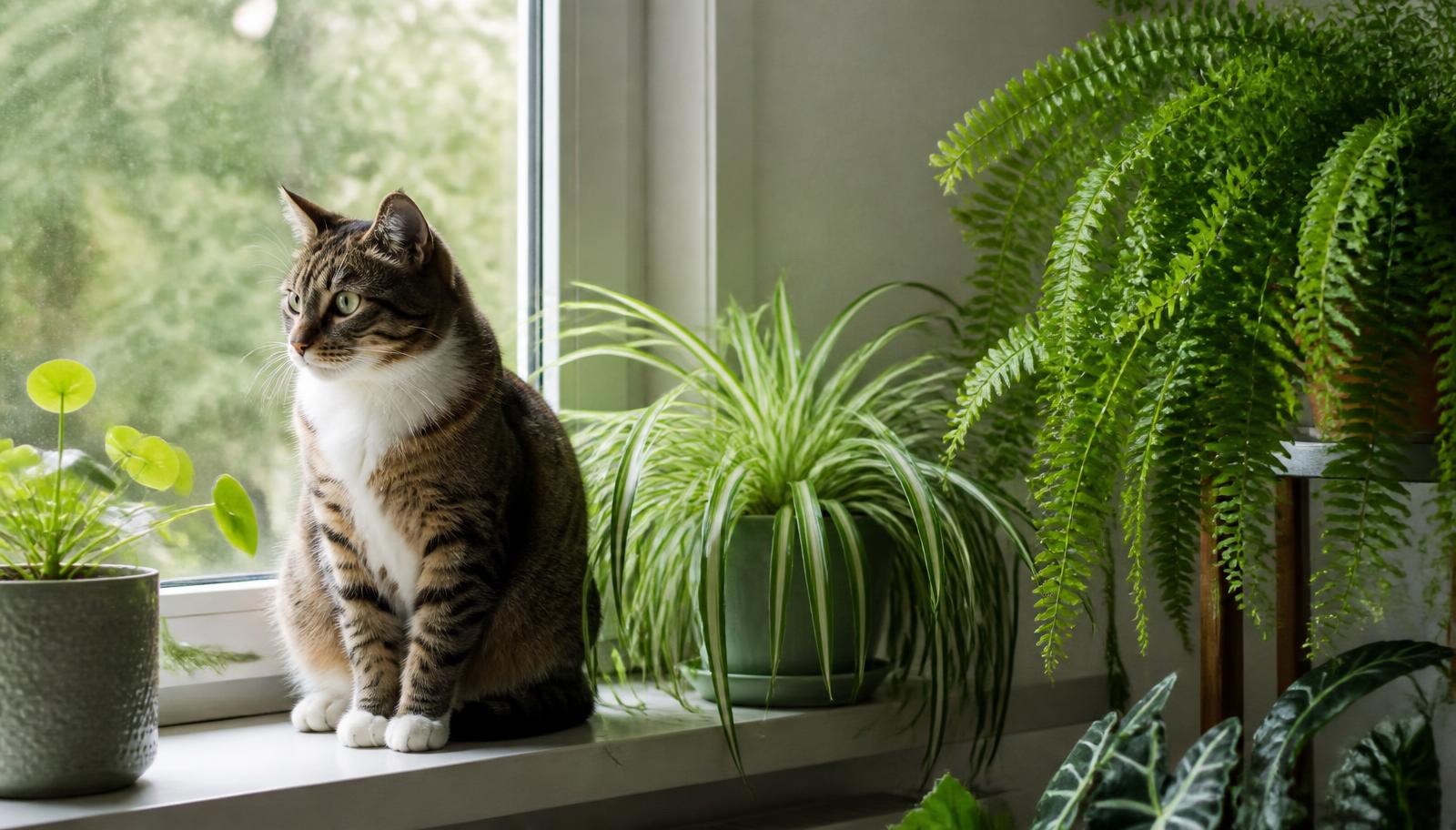
The one plant cat owners shouldn't bring home
There's one risk worth separating from everything else in this article. Lilies.
True lilies (Lilium species) and day lilies (Hemerocallis species) can cause severe kidney injury in cats. All parts of a true lily are dangerous, including the flowers, leaves, stems and pollen, and even the water that cut lilies have been standing in can present a risk.
A cat doesn't need to sit down and eat an entire plant. Pollen can get onto its coat as it brushes past a flower and subsequently be swallowed during grooming. That's why putting lilies on a high shelf isn't an adequate solution.
If you have a cat, don't bring true lilies or day lilies into the house, either as plants or as part of a bouquet.
And if you think your cat may have had contact with one, contact a vet immediately. Don't wait for symptoms to appear. Untreated lily poisoning is usually fatal, while early treatment offers the best chance of preventing serious kidney damage.
Popular doesn't mean pet-safe
The more surprising problem is how many extremely common houseplants aren't considered safe for pets.
Peace lily, philodendron and dieffenbachia are all on the PDSA's list of poisonous houseplants. Several popular plants in this broader group contain insoluble calcium oxalate crystals. When chewed, these can cause immediate irritation of the mouth and digestive tract, with symptoms such as drooling, mouth discomfort and vomiting.
This isn't the same risk as a true lily poisoning a cat's kidneys, and it's useful not to lump every "toxic" plant into one category. But it does mean that a fashionable plant isn't automatically a sensible choice for a home containing an animal that likes chewing leaves.
If your cat regularly investigates plants or you have a young dog that chews whatever it can reach, choosing something genuinely non-toxic is easier than continually trying to keep a problematic plant inaccessible.
Succulents aren't automatically safe
"Succulent" describes a type of plant, not a pet-safety category. Some are perfectly reasonable choices around cats and dogs. Others aren't.
Aloe vera, for example, appears on the PDSA's list of poisonous houseplants despite its familiar reputation as a soothing, useful plant. That's why buying plants by category can catch people out.
The same applies to palms, ferns and plants sold under common names. Plants that look similar can belong to completely different botanical groups and have different toxicity profiles. When pets are involved, check the exact plant rather than assuming that because another succulent or fern is safe, yours must be too.
Lucky bamboo isn't bamboo
This is a particularly good example of why names matter.
The plant commonly sold as lucky bamboo is Dracaena sanderiana. Despite its appearance and name, it isn't a true bamboo. Dracaena species are among the houseplants the PDSA advises pet owners to avoid.
So don't use "bamboo" on the label as evidence that a plant is pet-safe. The botanical name is considerably more useful.
The safer alternatives
The good news is that creating an interesting indoor plant collection doesn't require taking unnecessary risks.
Spider plants are an obvious starting point. They're forgiving, widely available and work particularly well on shelves or in hanging pots. They're one of the plants we recommend in best indoor plants for beginners for exactly that reason.
Boston ferns give you something larger and more textural without needing the dramatic leaves of a philodendron.
Parlour palms are useful if you want height rather than another small windowsill plant.
Calatheas give you the patterned, decorative foliage people often want from more problematic tropical plants.
And cast iron plants (Aspidistra) are particularly useful for darker corners and anyone whose approach to houseplant care is occasionally forgetful.
The important distinction is that pet-safe doesn't have to mean boring. A collection built around different leaf shapes, heights and textures can give you much the same effect as a room full of monsteras and philodendrons without the same concern if a curious animal starts investigating. Get the basics right — sensible watering, a pot that fits and a sane feeding routine — and a safe collection will still look good.
A quick reference
| Houseplant | Cats | Dogs |
|---|---|---|
| True lily / day lily | Severe danger | Avoid unnecessary ingestion |
| Peace lily | Toxic | Toxic |
| Philodendron | Toxic | Toxic |
| Dieffenbachia | Toxic | Toxic |
| Aloe vera | Toxic | Toxic |
| Dracaena / lucky bamboo | Toxic | Toxic |
| Spider plant | Non-toxic | Non-toxic |
| Boston fern | Non-toxic | Non-toxic |
| Parlour palm | Non-toxic | Non-toxic |
One important point: a peace lily isn't a true lily. It doesn't carry the same acute kidney-failure risk to cats as Lilium and Hemerocallis. It's still a plant we'd avoid around pets, but the distinction matters.
What "non-toxic" actually means
It doesn't mean edible.
A pet can still develop vomiting or diarrhoea after eating a large quantity of otherwise non-toxic plant material simply because it has consumed something its digestive system wasn't expecting. A non-toxic designation means the plant isn't known to contain the toxins associated with poisoning.
So we'd still discourage a cat from systematically eating a spider plant or a dog from digging up and consuming half a Boston fern. The advantage is that an exploratory bite doesn't carry the same poisoning risk as chewing a toxic species.
Should you just put toxic plants out of reach?
Possibly, but be realistic about what "out of reach" means.
The PDSA recommends keeping non-toxic plants in the home where possible. If you do retain a potentially harmful plant, it needs to be somewhere your pet genuinely cannot access. That's easier with some dogs than with cats. A shelf that looks high to you may simply look like the middle stage of a climbing route to a cat.
Hanging planters and pet-free rooms can work, but if your animal has already demonstrated an enthusiasm for eating foliage, replacing the plant with a safer alternative is the simpler option. Moving plants around also has its own consequences for the plant — a spot that's safe from the cat can be far too hot in summer, as we covered in houseplants in a heatwave.
And lilies are different. With a cat in the house, we'd remove them entirely rather than relying on positioning.
What to do if your pet eats a toxic plant
Don't wait for symptoms before getting advice after a known or suspected toxic exposure.
In the UK, contact your vet or Animal PoisonLine on 01202 509000. Animal PoisonLine is run by the Veterinary Poisons Information Service and operates 24 hours a day. Its specialists can assess the exposure and tell you whether your pet needs veterinary treatment.
Try to identify the plant and be ready to explain how your pet was exposed, when it happened and approximately how much may have been eaten. A photograph, label or sample can help with identification.
Don't try to make your pet vomit yourself, and never give salt water to induce vomiting.
If a cat may have eaten or licked any part of a true lily or day lily, drunk lily vase water, or groomed lily pollen from its fur, contact a vet immediately.
FAQ
Are lilies really that dangerous to cats?
Yes. True lilies and day lilies can cause severe kidney injury in cats. With true lilies, the leaves, flowers, stems, pollen and even vase water can present a risk. Suspected exposure requires immediate veterinary advice.
Is a peace lily as dangerous as a true lily?
No. Despite the name, a peace lily isn't a true lily. It is still toxic to cats and dogs, but it doesn't present the same type of severe kidney toxicity associated with Lilium and Hemerocallis in cats.
Are succulents safe for pets?
Not automatically. Aloe vera is one common example of a succulent that is poisonous to pets. Always check the specific species rather than assuming the entire group is safe.
What's a good pet-safe houseplant for a beginner?
A spider plant is hard to beat. It's forgiving, widely available and gives you plenty of foliage without introducing a known plant-poisoning risk.
What should I do if my pet eats a houseplant?
Identify the plant if possible and seek professional advice if it's known or suspected to be toxic. Contact your vet or Animal PoisonLine on 01202 509000. Don't induce vomiting unless specifically instructed to do so by a veterinary professional.
READ THE FULL GUIDE
Best Indoor Plants for Beginners →
RELATED POSTS
Robin is a small-space grower writing for everyone working with a courtyard, balcony, window box, patio or sunny sill. Edible and leafy, both kept alive in the kind of light real small spaces actually get.
✦ Free with the newsletter — the small-space starter sheet
Grow Anywhere — a free weekly email.
The Potted Club newsletter. A short note from Robin — what to sow, one plant problem solved, and the best new guide.
FREE WEEKLY EMAIL · NO SPAM · UNSUBSCRIBE ANYTIME