Why Is My Plant Drooping After Repotting
Some drooping after repotting is normal and resolves within a week or two. Here's how to tell ordinary transplant shock apart from a genuine problem, and what actually helps a plant recover.
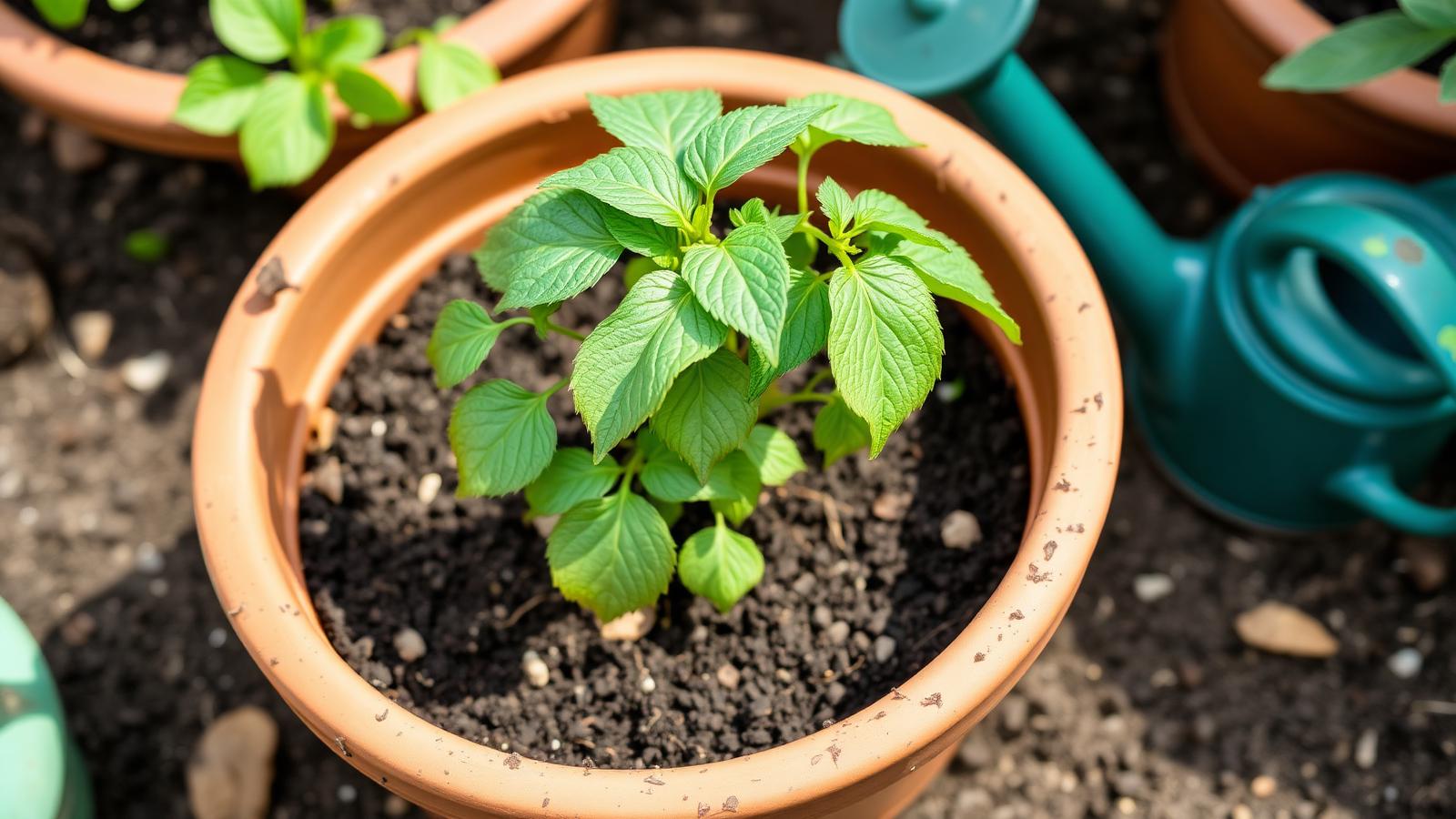
Some drooping is genuinely normal
If a plant droops in the day or two after repotting, that's usually not a sign anything has gone wrong. It's called transplant shock, and it's a predictable, temporary response to root disturbance, not a symptom that demands immediate action.
Here's why it happens: however carefully you handle a repot, some fine root hairs, the parts of the root system doing most of the actual water uptake, get damaged or lost in the process. The plant is briefly less able to draw up water than it was before, even though the compost around it may be perfectly moist. The visible result is drooping, sometimes with a slightly limp or tired look to the whole plant, despite nothing obviously being wrong with its watering.
For most plants, this resolves within one to two weeks as new root hairs grow and the plant's water uptake returns to normal. The bigger the root disturbance, the longer recovery tends to take; a plant that was gently loosened and moved into fresh compost with minimal root handling recovers faster than one that had roots cut, divided, or heavily disturbed during the repot. The RHS guidance on repotting container plants makes the same point about handling rootballs as little as the job allows.
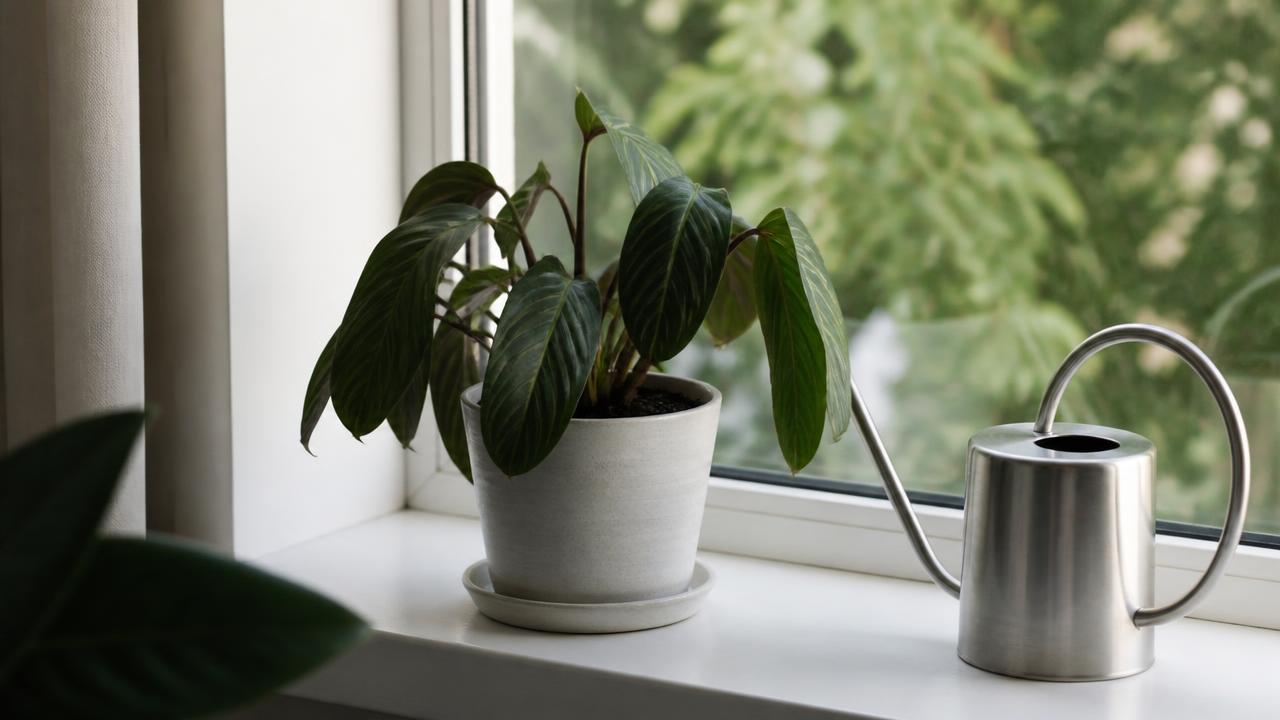
Why the instinct to water more usually makes it worse
This is the single most common way ordinary transplant shock turns into a genuine problem. A drooping plant looks thirsty, so the natural response is to water it again, sometimes daily, on top of whatever was already applied at the time of repotting.
The trouble is that the roots aren't actually short of water in the compost around them; they're temporarily less able to take up the water that's already there. Adding more water on top doesn't fix that, and it does create a second problem: compost that stays constantly wet on top of already-stressed, damaged roots is a strong setup for root rot, which turns a plant that would have recovered on its own into one that's now dealing with two separate problems at once.
As covered in our repotting guide, the right approach is one thorough watering at the time of repotting, then checking the compost properly before watering again, exactly the same finger-test habit from our watering guide, rather than watering on a more frequent schedule just because the plant looks unhappy.
Other things that can cause or worsen drooping
Transplant shock itself is the most common cause, but a few other things either cause drooping directly or make ordinary shock considerably worse.
A pot that's too large. As covered in our repotting guide, sizing up by more than the recommended 2 to 5cm leaves a large volume of compost the roots can't yet reach, which stays wet for far longer than the rootball itself needs. This compounds the overwatering risk above even if you're not watering more often than you should.
Underwatering, the opposite problem. Occasionally a plant is left too dry after repotting, particularly if the initial thorough watering wasn't quite thorough enough, or the plant was forgotten about in the days after. Check the compost properly rather than assuming drooping automatically means too much water; it's worth ruling out the opposite before treating for the more common cause.
More significant root damage than intended. A plant with a lot of roots cut, divided, or roughly handled during the repot has a genuinely bigger recovery job ahead of it, and will droop more and for longer than one that had a gentler repot. This is expected for plants that were heavily root-bound and needed more intervention, but it's worth knowing going in that recovery will take longer.
Wrong compost type. A plant repotted into compost that doesn't suit it, ordinary multi-purpose for something that needed ericaceous, or a heavy compost for something that wants sharp drainage, can struggle for reasons that look like transplant shock but are actually an ongoing mismatch that won't resolve on its own.
Too much change at once. Repotting a plant and moving it to a new position (a brighter windowsill, a different room, outdoors after being indoors) at the same time asks it to adjust to two stresses simultaneously. Where possible, keep everything else about the plant's environment stable while it recovers from the repot itself, and make any position change separately, before or after, rather than at the same time.
Heat or cold at the time of repotting. As covered in our piece on trees in a heatwave, repotting is itself a stress event, and doing it during extreme heat, or in a cold snap, gives the plant the least possible capacity to cope with both at once. If you can choose the timing, avoid repotting on the hottest or coldest days.
What actually helps
Keep the plant somewhere with stable, indirect light and a steady temperature for the first week or two, rather than moving it around or placing it straight into strong direct sun. Bright, indirect light is generally the safest setting during recovery.
Resist watering more than the compost genuinely needs. Check with a finger before adding any water beyond the initial thorough soak given at repotting time.
Hold off on feeding, as covered in our repotting guide and our guide to feeding, for four to six weeks. A stressed, recovering plant has little capacity to use extra nutrients productively, and fresh compost already contains what it needs for now.
Be patient. A week of drooping, even looking fairly dramatic, is well within the normal range for many plants, particularly ones that had significant root disturbance. Resist the urge to intervene further during this window; mostly, the right response is to leave the plant alone and let it settle.
When to actually worry
Most transplant shock resolves within one to two weeks without any special intervention. A few signs suggest something beyond ordinary shock is going on, and are worth investigating properly rather than continuing to wait.
Drooping that's still getting worse, rather than stable or improving, after around two weeks. Leaves dropping continuously rather than the plant settling. New growth, once it does appear, coming in weak, discoloured, or malformed. Or a sour smell from the compost, which points toward root rot rather than ordinary shock. If the leaves are also turning yellow, our piece on why leaves turn yellow will help you separate the patterns.
If any of these are present, it's worth gently tipping the plant out and checking the roots directly: healthy roots are pale and firm; rotten roots are dark, soft, and often unpleasant-smelling. If rot is present, trim the affected roots back to healthy tissue, repot into fresh, well-draining compost, and scale watering right back while the plant recovers from this second, more serious setback.
Houseplants versus outdoor plants: does it differ?
The underlying mechanism, damaged root hairs temporarily reducing water uptake, is the same whether a plant lives on a windowsill or in a garden bed, but a couple of things do differ in practice.
Houseplants tend to show visible drooping more dramatically and more quickly, partly because indoor conditions (central heating, less humidity, more consistent warmth) put more ongoing demand on the plant's water uptake than a shaded spot outdoors might. As our piece on houseplants in a heatwave covers, a houseplant that's drooped hard within a day of repotting isn't necessarily worse off than an outdoor shrub that shows almost nothing; it's often just a more visibly dramatic response to the same underlying process.
Outdoor shrubs, perennials and trees, as covered in our repotting guide, generally take root disturbance harder and recover more slowly than fast-growing houseplants, particularly woody specimens like roses or container fruit trees. A slower, quieter recovery over several weeks, rather than a dramatic droop followed by rapid bounce-back, is normal for these plants and doesn't indicate anything has gone wrong.
FAQ
How long should drooping last after repotting?
Typically one to two weeks for most plants, resolving gradually as damaged root hairs regrow and water uptake returns to normal. Plants with more significant root disturbance during the repot may take a little longer.
Should I water my plant more if it's drooping after repotting?
Not automatically. Check the compost first. Drooping after repotting is usually caused by roots that are temporarily less able to take up water that's already there, not by a lack of water in the compost, and adding more can lead to overwatering and root rot on top of the original stress.
Is it normal for leaves to fall off after repotting?
Some leaf drop, particularly of a few lower or older leaves, can be part of normal transplant shock. Continuous, widespread leaf drop that doesn't settle within a couple of weeks is more concerning and worth investigating further.
Should I move a drooping plant to a brighter spot to help it recover?
No, keep it in stable, indirect light rather than moving it to strong direct sun, which adds further stress during an already vulnerable recovery period. Consistency matters more than brightness while the plant settles.
Why is my plant still drooping weeks after repotting?
This falls outside normal transplant shock and is worth checking properly. Common causes include overwatering during the recovery period, a pot that's too large for the rootball, or root damage more significant than intended during the repot. Checking the roots directly is the most reliable way to find out.
Can I feed a drooping plant to help it recover faster?
No, hold off on feeding for four to six weeks after repotting regardless of whether the plant is drooping. A stressed, recovering plant has limited capacity to use extra nutrients, and feeding too soon can add further stress rather than help.
Does drooping mean I damaged the plant's roots too badly?
Not necessarily. Some drooping is expected even with careful, gentle repotting, since even minimal root disturbance temporarily affects water uptake. More severe or prolonged drooping is more likely linked to significant root damage, but ordinary, moderate drooping in the first week or two is a normal part of the process.
READ THE FULL GUIDE
The Complete Guide to Repotting →
RELATED POSTS
Robin is a small-space grower writing for everyone working with a courtyard, balcony, window box, patio or sunny sill. Edible and leafy, both kept alive in the kind of light real small spaces actually get.
✦ Free with the newsletter — the small-space starter sheet
Grow Anywhere — a free weekly email.
The Potted Club newsletter. A short note from Robin — what to sow, one plant problem solved, and the best new guide.
FREE WEEKLY EMAIL · NO SPAM · UNSUBSCRIBE ANYTIME